
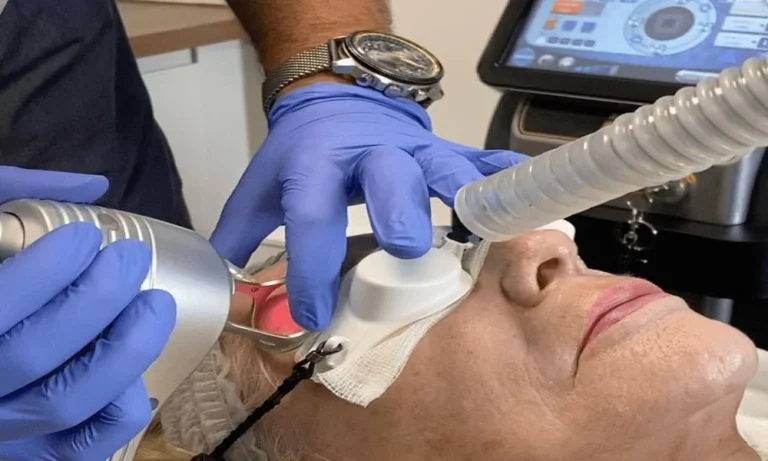
Laser skin resurfacing has undergone a revolution in recent years. Where once a dramatic refresh meant weeks of hiding at home, today’s technology offers impressive results with minimal disruption to your daily life. As more people seek smoother, younger-looking skin without vanishing from work or social commitments, understanding how fractional resurfacing lasers deliver on both counts is crucial.
The Evolution of Laser Resurfacing Technology
The journey of laser resurfacing began with aggressive treatments that, while effective, often left patients with raw, weeping skin and lengthy recoveries. Early methods used fully ablative lasers that removed entire layers of skin at once, requiring extended healing and a high risk of complications like infection and pigmentation changes.
The landscape shifted with the introduction of fractional lasers. Instead of treating the whole skin surface, these devices target microscopic zones in a grid-like, pixelated pattern. This innovation drastically reduced downtime, making laser resurfacing a realistic option for people with busy schedules.
Advancements have continued, with refinements in laser precision and energy delivery allowing for even greater customization and safety. Technologies like the fractional Erbium:YAG and Pearl lasers now allow clinicians to fine-tune treatments to deliver just the right balance between results and recovery time.
Understanding Fractional Resurfacing Lasers
Fractional lasers work by firing beams of light into tiny fractions of skin while leaving surrounding areas untouched. Picture a high-resolution photograph where only select pixels are edited; the untouched skin supports rapid healing and lessens the risk of adverse effects. This approach stimulates collagen production and peels away damaged outer layers, revealing fresh skin beneath.
Compared to traditional lasers, fractional devices offer multiple benefits:
– Substantially reduced healing time
– Lower risk of scarring or pigment changes
– Ability to treat a wider range of skin types
Fractional lasers come in several forms, the most notable including Erbium:YAG, CO2, and the Pearl laser, each with distinct characteristics and applications.
Fractional Erbium and Erbium:YAG Lasers: A Closer Look
What sets Erbium and Erbium:YAG lasers apart is their ability to precisely target water in the skin, using a 2940 nm wavelength. This specificity allows for effective treatment of wrinkles, sun damage, acne scars, and even stretch marks, often with minimal discomfort.
Downtime is not one-size-fits-all. These devices can be dialed up for a deeper peel and more dramatic results, or kept lighter for a fast “weekend” refresh. Most patients find that a surface-level treatment can deliver a noticeable glow in as little as two days, while deeper resurfacing may require up to a week of gentle wound care.
Comparing Fractional Erbium to Fractional CO2 and Fraxel
How do these leading options stack up? The table below outlines key differences:
| Laser Type | Ablation Intensity | Suitable Skin Types | Typical Downtime | Best For |
|——————-|——————-|——————–|——————|—————————–|
| Erbium:YAG | Moderate | Light to medium, safe for darker tones | 2-5 days | Fine lines, texture, acne scars |
| CO2 Fractional | High | Best for lighter skin | 5-10 days | Deeper wrinkles, severe scars |
| Fraxel (Non-ablative) | Low | All skin types | 1-3 days | Mild aging, pigmentation |
Erbium lasers offer a middle ground: impactful results with more manageable downtime and a lower risk for patients with darker skin. While CO2 remains the choice for advanced sun damage or deep wrinkles, not everyone needs or wants the intensive healing period that comes with it.
The Pearl Resurfacing Laser: Minimally Invasive Innovation
Pearl laser technology, operating at 2790 nm, stands out for its efficient treatment and minimal invasiveness. Unlike other fractional devices that treat only part of the skin in each session, Pearl addresses the entire surface, often delivering visible improvements in just one or two treatments.
This makes it attractive for those tight on time but unwilling to compromise on results. Pearl carves out a unique position, especially for patients seeking a single-session glow with minimal recovery.
Balancing Downtime with Desired Results
Striking the right balance starts with understanding what influences downtime:
– Laser intensity and depth selected by your provider
– Size and location of the treated area
– Your skin’s natural healing ability
Clinics can adjust the aggressiveness of the procedure based on how much time you can commit to recovery. If you have an important event coming up, a lighter pass may be best. If you can afford a few extra days at home, a deeper treatment can yield more dramatic changes. Side effects are typically mild, some redness and peeling, managed with ointments like Aquaphor, and strict avoidance of sun exposure.
Practical Applications and Treatment Areas
Fractional lasers are remarkably versatile. They rejuvenate the face, soften fine lines, and erase years of sun damage. Acne scars, stretch marks, and even delicate eyelid skin benefit from these precise treatments. Multiple sessions might be needed for maximum effect, but each is tailored to the individual’s goals and schedule.
Future Trends and Patient Expectations
With technology racing ahead, new fractional devices promise even faster recovery and expanded safety for all skin tones. There is a clear trend toward procedures that integrate seamlessly into busy lives, fitting skin maintenance into a regular self-care regimen rather than requiring lengthy downtime.
For those considering their options, resources like the Clinique Anti Aging fractional resurfacing laser offer helpful information and experienced guidance. As patient expectations continue to evolve, the industry’s ability to deliver both convenience and exceptional results shows no sign of slowing down.