
Category

Health

Category

Cold plunging has gained attention as a refreshing way to support recovery, improve circulation, and enhance mental clarity. Many beginners feel drawn to the practice but remain unsure about how to begin safely within a home setting. A thoughtful approach ensures that the experience remains beneficial and comfortable from the very first session.

A well-structured cold plunge guide can help beginners build confidence while avoiding common mistakes. Clear routines, proper preparation, and awareness of physical responses make the transition into cold exposure smoother. With the right knowledge, this practice can become a rewarding addition to a wellness routine.

The Basics of Cold Plunging

Cold plunging involves immersing the body in cold water for a short period to stimulate circulation and activate recovery responses. Temperature control plays a key role, as extremely low temperatures can create discomfort if the body is not prepared. Beginners should start with moderately cold water and gradually adjust as tolerance improves.

Consistency matters more than intensity during the early stages. Short sessions allow the body to adapt without unnecessary strain. A steady approach helps develop resilience while maintaining safety and comfort.

Prepare a Safe Home Setup

A proper setup creates a controlled environment that supports safe practice. A dedicated tub or container should be stable, clean, and placed on a flat surface. Adequate space around the area allows easy entry and exit, which is essential for maintaining balance and confidence.

Water temperature should remain consistent throughout each session. A thermometer can help monitor conditions and prevent sudden changes. Towels, warm clothing, and a comfortable resting area should remain within reach to support recovery after immersion.

Essential Safety Tips for Beginners

  • Start with sessions lasting one to three minutes to allow gradual adaptation.
  • Maintain steady breathing to avoid sudden shock responses.
  • Keep your head above water to reduce unnecessary strain.
  • Ensure someone is nearby during initial attempts for added safety.
  • Exit the tub immediately if dizziness or discomfort occurs.

These precautions help create a secure foundation for building a routine.

Build a Consistent Routine at Home

A structured schedule supports steady progress and helps the body adapt over time. Sessions can be practiced a few times per week, allowing sufficient recovery between each attempt. Gradual increases in duration or temperature changes should be introduced carefully.

A reliable cold plunge guide encourages attention to physical signals and personal comfort levels. Each session should feel manageable rather than overwhelming. Progress becomes more sustainable when adjustments are made with patience and awareness.

Significance of Buying Cold Plunge Tubs from Authentic Sellers

Choosing a dependable seller ensures access to equipment that meets safety and durability standards. Authentic providers offer well-constructed tubs designed to maintain stable temperatures and provide a comfortable experience. This level of quality reduces risks linked to faulty materials or poor design.

Reliable sellers also provide clear instructions and dependable support, which can be valuable for beginners. Proper guidance helps users maintain their equipment and achieve consistent results. Confidence in the source of purchase contributes to a smoother and more enjoyable experience.

Common Mistakes to Avoid During Cold Plunging

  • Extending the session duration too quickly without proper adaptation.
  • Using water that is excessively cold during early attempts.
  • Ignoring physical discomfort or warning signs from the body.
  • Skipping warm-up or recovery steps after immersion.
  • Practicing in an unsafe or unstable environment.

Awareness of these mistakes helps maintain a balanced and effective routine.

Thus, safe cold plunging begins with preparation, awareness, and gradual progress. A consistent routine supports both comfort and long-term benefits. Careful choices and reliable equipment ensure a positive experience at home.

Online prescription services require comprehensive patient data for safe medication dispensing through digital healthcare platforms. Essential information includes personal identification details, complete medical histories, current medications, and detailed symptom descriptions, enabling physicians to make informed prescribing decisions. NextClinic implements structured data collection protocols that gather all necessary information while maintaining patient privacy and regulatory compliance. These digital systems streamline information gathering while ensuring no critical details are overlooked during the prescription evaluation.

Identity confirmation

Patient verification represents the foundational step in secure prescription processing. Healthcare platforms require government-issued identification documents, proof of address, and contact verification to establish legitimate patient identities before allowing access to prescription services. Multi-factor authentication systems protect patient accounts while ensuring only authorised individuals can request medications through digital channels. Digital identity verification systems cross-reference submitted documents against official databases to prevent prescription fraud and identity theft. The robust verification process enables physicians to issue online prescriptions with confidence that medications reach intended recipients. Advanced biometric verification adds additional security layers through facial recognition or fingerprint scanning that further protect prescription access from unauthorised users.

Health record compilation

Comprehensive medical history documentation forms the clinical foundation for safe prescription decisions. Patients must provide detailed information about previous surgeries, hospitalisations, chronic conditions, and family medical histories influencing medication selection and dosing decisions. Electronic health record integration enables the automatic collection of relevant medical data when patients authorise access to existing healthcare provider records. Current medication inventories require precise documentation to prevent dangerous drug interactions:

  • Prescription medications with exact names, dosages, and prescribing physicians
  • Over-the-counter drugs, including vitamins, supplements, and herbal remedies
  • Recent medication changes with dates and reasons for modifications
  • Known drug allergies with reaction descriptions and severity levels
  • Previous adverse drug experiences with specific medications or drug classes

Symptom documentation

Detailed symptom descriptions enable physicians to make accurate diagnoses and appropriate prescription selections. Patients must document symptom onset timing, severity progression, triggering factors, and relief measures attempted before seeking prescription treatment. Structured questionnaires guide patients through comprehensive symptom reporting, ensuring no relevant clinical information is omitted. Functional impact assessments help physicians gauge symptom severity and appropriate treatment urgency. Pain scales, mobility limitations, sleep disruption patterns, and work productivity impacts provide objective measures that support prescription decision-making. Photo documentation of visible symptoms or injury sites supplements written descriptions when visual confirmation aids diagnosis.

Payment verification

Financial information enables prescription processing and ensures patients can afford prescribed medications. Credit card details, banking information, or alternative payment methods must be verified before prescription fulfilment begins. Having accessible pricing information helps patients make informed treatment choices based on medication costs and insurance coverage. Prescription delivery preferences require address verification and shipping instructions for safe medication transport.

Patients specify delivery timing preferences, package security requirements, and alternative locations when standard home delivery is unsuitable. Temperature-sensitive medications require special handling arrangements that patients must acknowledge and accommodate. The comprehensive information collection process enables safe, effective online prescription services while maintaining the same safety standards expected from traditional healthcare delivery. Thorough data gathering supports informed physician decision-making and ensures patients receive appropriate medications through secure, convenient digital channels.

Remote supervision transforms traditional hands-on healthcare training through innovative digital monitoring systems that maintain educational quality while providing flexible learning options. Virtual supervision combines real-time observation with interactive feedback mechanisms that guide student development throughout practical skill acquisition. NextClinic demonstrates how healthcare education providers implement remote oversight while preserving the mentorship elements essential for professional development. These supervision methods ensure students receive proper guidance during skill practice while accommodating diverse learning environments and schedules.

Digital oversight mechanisms

Virtual supervision platforms utilize multiple camera angles and audio systems, providing comprehensive observation capabilities during practical skill demonstrations. Supervisors monitor student techniques, safety protocols, and patient interaction methods through high-definition video streams that capture detailed movements and procedures. Real-time feedback systems enable immediate correction of technique errors and reinforcement of proper care methods during carer certificate online practical sessions that require precise skill execution. Interactive communication tools allow supervisors to provide instant guidance while students perform procedures, creating dynamic learning experiences that mirror traditional in-person mentorship relationships.

Assessment delivery formats

Virtual practical assessments combine live observation with recorded demonstrations that comprehensively evaluate student competencies across multiple skill areas.

  1. Live video sessions where students perform procedures while supervisors observe and evaluate in real-time
  2. Pre-recorded demonstration videos that students submit for detailed review and scoring
  3. Interactive simulations using virtual reality platforms for complex care scenarios
  4. Competency checklists completed during observed practice sessions
  5. Portfolio submissions documenting practical skill development over time

These varied assessment approaches ensure a thorough evaluation of practical abilities while accommodating different learning preferences and technological capabilities among students pursuing certification.

certificate practicas

Quality control measures

Standardized evaluation criteria ensure consistent assessment quality across supervisors and virtual learning environments. Detailed rubrics specify performance expectations for each practical skill while providing clear guidelines for supervisor evaluation and student feedback. Calibration sessions among supervisors maintain consistency in evaluation standards and ensure fair assessment practices across all virtual practical sessions. Regular assessment record review allows quality assurance teams to verify that supervision standards remain consistent and appropriate for certification requirements.

Student support systems

Technical assistance programs help students navigate virtual supervision platforms and resolve connectivity issues that might interfere with practical assessments. Dedicated support teams provide troubleshooting guidance and alternative assessment arrangements when technical difficulties arise during scheduled supervision sessions.

  1. Pre-session technology checks ensuring proper camera, audio, and internet connectivity
  2. Backup assessment scheduling for students experiencing technical difficulties during evaluations
  3. Alternative demonstration methods for students with limited technology access
  4. Additional practice opportunities before formal assessment sessions
  5. Flexible scheduling accommodations for working students and diverse time zones

These support mechanisms ensure that technical limitations do not prevent students from completing practical requirements while maintaining assessment integrity throughout the certification process. Remote supervision for online carer certificate practicals combines advanced technology with established educational principles to deliver quality practical training in virtual environments. These supervision methods maintain assessment integrity while providing flexible access to professional development opportunities for aspiring healthcare workers. Digital oversight mechanisms ensure students receive proper guidance and evaluation while accommodating diverse learning circumstances and geographical limitations. The evolution of remote supervision continues to expand access to healthcare education while preserving the quality standards essential for professional competency development.

Pet owners all throughout the Great White North have been looking to natural substitutes in recent years to help the health of their four legged friends. Among these remedies, CBD infused pet products have become rather popular especially for people looking for all encompassing treatments for their dogs’ welfare.

Understanding the Canine Wellness Revolution

Over the past ten years, Canadians’ relationship with their dogs has changed considerably. Dogs are no more just animals; they are real family members deserving of the same health concerns as their human counterparts. This change of viewpoint has resulted in an explosion of luxury, health conscious goods meant especially for dog friends.

With owners growing dubious of traditional medications with their possible side effects, natural supplementing has become the pillar of modern pet treatment. According to Canadian Veterinary Medical Association research, 63% of pet owners have looked at natural therapies for their animals during the past three years a stunning 27% rise from earlier studies.

The Science Behind Hemp Derived Support

Veterinary experts have paid close attention to hemp derived cannabidiol especially for its possible solution for frequent canine problems:

  • Joint mobility challenges: Particularly common in aged dogs and bigger breeds
  • Nervous system support: Support for the nervous system helps dogs manage environmental challenges.
  • Digestive system balance: Promoting consistent digestive capacity
  • Overall wellness maintenance: General health maintenance helps to create a balanced endocannabinoid system.

Vancouver based integrative medicine veterinarian Dr. Sarah Richardson notes: “While we’re still gathering clinical evidence, preliminary research reveal interesting applications for cannabis supplementation in veterinary care. Many of my clients say their pets’ general mood and comfort level have improved noticeably.”

Navigating the Marketplace in Canada

With several brands providing specialized formulas, CBD dog treats Canada market has grown rather large. For discriminating pet owners trying to find excellent items, this expansion has presented difficulties nevertheless.

Quality indicators worth considering include:

  • Results of third party laboratory testing
  • Hemp sources’ organic growth methods
  • Appropriate dosage of cannabinoids for dogs
  • Well chosen supporting components
  • Manufacturing standards observance

Pet owners should do extensive research before deciding what items to buy as Canadian rules on these goods always changing. See a veterinarian acquainted with cannabis supplements for great advice catered to your dog’s particular need.

Integrating Natural Supplements Into Your Dog’s Routine

When adding any new vitamin to your pet’s wellness program, the gold standard is still slow introduction. Start with less than advised and track your dog’s behavior over several days before modifying.

Many pet owners claim best results when adding these nutrients to a whole strategy for canine wellness including:

  • Appropriate for a life stage, a balanced diet
  • Regular physical exercise catered to age and breed; preventative veterinarian treatment
  • Enrichment and mental stimulation
  • Regular sleep times

Remember that depending on their particular physiology, age, and health issues, individual dogs react differently to supplements. One dog friend may find great success from something that works for another not at all.

Canadian dog owners now have more choices than ever to organically support the health of their cherished friends as the terrain of pet wellness changes. These natural supplements can make a great addition to your dog’s whole wellness program with careful study and competent advice.


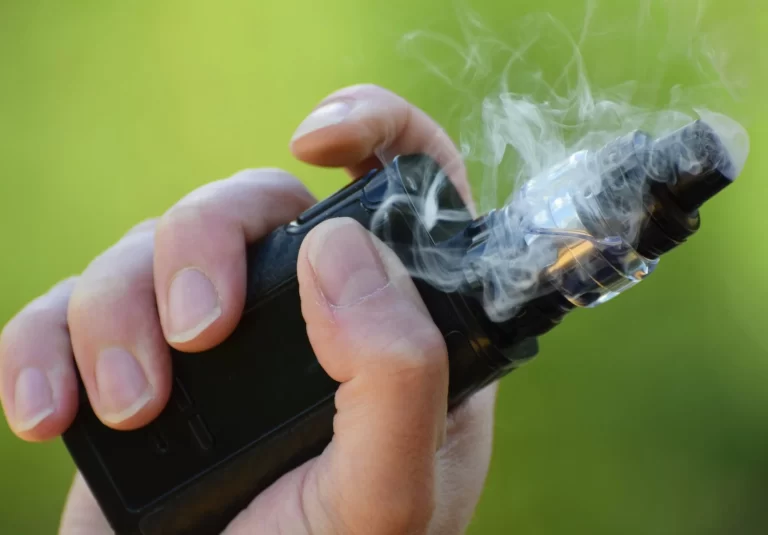
If you smoke or vape, you already know carrying your gear around isn’t always the easiest thing. Pipes, grinders, vapes, papers – it adds up fast. And honestly, nobody wants to be the person digging through their bag, hoping nothing broke, spilled, or smelled up the place.

For years, smokers had to rely on regular baked bags products on dopeboo, pouches, or whatever they could find. But now? Innovative storage solutions are completely changing how people carry their gear – making it safer, cleaner, and way more convenient. Let’s dive into how things have evolved.

No More Smells Everywhere

One of the biggest challenges smokers face is smell. You might pack your stuff neatly, but regular bags can’t hide strong odors. That’s where new smell-proof bags come in. These bags are designed with layers of special material that trap smells inside. Some even use activated carbon lining, which absorbs odors rather than just covering them up.

Today, you can walk around with your favorite herbs or smoking accessories, and nobody will even know. No more worried glances in public. No more awkward moments when opening your bag at work or school. baked bags products on dopeboo are a good example of how far smell-proof technology has come, giving smokers a smarter way to stay discreet.

Protection from Breakage

If you’ve ever had a glass pipe break in your backpack, you know how frustrating it is. One bump, and your favorite piece is in pieces. New storage designs focus a lot more on protection. Some bags have padded compartments. Others have rigid shells inside soft exteriors, so even if you drop your bag, your gear stays safe.

Many modern smoker bags also come with custom inserts – little pockets and straps designed to hold specific tools securely. Nothing rattles around. Nothing gets crushed at the bottom of your bag. This small detail makes a huge difference, especially if you carry expensive or fragile smoking accessories.

Organized, Finally

Old-school smokers usually just tossed everything into one messy pouch. Good luck finding your lighter when you needed it most. New storage solutions are way more organized. Multiple compartments for vapes, one spot for grinders, little zippered pouches for papers, extra space for cartridges. Everything has a home, and you can grab what you need without digging for five minutes. 

Feels good to actually be organized for once, doesn’t it? Plus, many bags now look just like regular backpacks or travel cases. Stylish, discreet, and practical – a nice change from the old clunky stash boxes.

Final Thoughts

Smokers today have way better options than they did even a few years ago. Innovative storage designs have solved so many old problems – smells, breakage, disorganization. 

Whether you’re carrying your gear across town or just around the house, the right bag makes life easier, cleaner, and a lot more stress-free.

And as new products keep coming out, carrying your smoking essentials is only going to get smarter.


A smokeless alternative  for traditional tobacco products, nicotine pouches have gained popularity among users looking for a more discreet and possibly less harmful way to consume nicotine. Unlike snus, which is placed under the lip and contains tobacco, nicotine pouches have no tobacco and instead rely on nicotine generated from tobacco or synthetic sources. Though their long-term effects are still under research, these pouches are marketed as safer than smoking or chewing tobacco.

Rising Appeal of Nicotine Pouches

Over the last many years, nicotine pouches have grown to be a popular replacement for smoking and traditional smokeless tobacco products such snus. Their many flavors and powers draw a wide range of individuals. The increasing attraction is largely driven by those seeking a quiet, less odorous way to consume nicotine. Unlike cigarettes or cigars, nicotine pouches do not require burning and they also come with no spit or mess, hence increasing their appeal and ease. Though the company is expanding, questions about their long-term effects go unanswered.

Dependency and Nicotine Addiction

Most concerns about nicotine pouch long-term use are around how they might encourage addiction. Pouches can give significant amounts of nicotine even without tobacco because nicotine is an extremely addictive substance. For people who use nicotine pouches regularly, this could lead to withdrawal symptoms and dependency even without using the product. Users should be aware of the risks related to nicotine addiction and should consider the influence on their overall health and well-being.

Possible Health Hazards

Though not without risk, nicotine pouches are believed to be less harmful than smoking. Long-term nicotine use can affect cardiovascular health, help to cause heart disease, and increase the likelihood of too high blood pressure. Moreover, there may be other health problems not yet understood given the long-term safety of nicotine pouches is still being studied. Though they are marketed as a safer option, one should not discount their potential long-term harm.

Lack of Long-Term Research

The dearth of thorough studies may be one of the most important obstacles in grasping the long-term usage of nicotine pouches. Because these products are relatively new to the market, most studies on nicotine addiction and tobacco-related health issues focus on traditional tobacco products such as snus. Long-term studies specifically addressing the specific characteristics of nicotine pouches serve to clarify how they will affect users’ health throughout the years.

While nicotine pouches could be a less harmful replacement for snus and smoking, their long-term effects remain uncertain. They could create health issues, might not be a good long-term plan for quitting smoking, and might lead nicotine dependence. More research will help to clarify the true impact of these products on public health.

Vape pens infused with THCA extracts are gaining popularity among adults looking for an alternative method of consumption, providing a smooth, convenient, and enjoyable way to explore cannabis-derived benefits. DopeBoo offers quality vaping products that can help users enjoy their experience safely and effectively. The proper use and maintenance of these devices ensure optimal performance and longevity.

Getting started with your device

When you first receive your vape pen, familiarize yourself with all the components. Most pens have a battery, heating chamber, mouthpiece, and charging port. Read the manual thoroughly, as different models vary in operation. The battery should be fully charged before initial use. This typically takes 1-3 hours, depending on your specific model. 

A fully charged battery usually displays a green light indicator, but this varies between devices. Connect the appropriate attachment for THCA concentrates. Some pens require specific cartridges, while others have built-in chambers. Secure all connections, but avoid over tightening, which may damage thread.

Temperature settings and control

Temperature control is crucial to your vaping experience:

  • Low temperatures (315-350°F)- Produces milder vapour with more flavour
  • Medium temperatures (350-390°F)- Balanced vapour production and potency
  • High temperatures (390-430°F)- Creates denser vapour but may reduce flavour notes

Begin with lower settings and gradually adjust to find your preference. Higher temperatures consume material faster and may shorten battery life between charges.

Loading techniques for optimal performance

Proper loading technique prevents leakage and ensures efficient vaporization. Use the provided tool to place a small amount directly onto the heating element for concentrate pens. Avoid overloading, as this leads to waste and potential clogging. For cartridge-based systems, attach the pre-filled cartridge containing the extract. Ensure it’s screwed on properly without applying excessive force. Some users incorporate THCA flowers into their routine using compatible dry herb attachments available for specific vape pen models. This versatility allows for personalized experiences based on preference.

Daily cleaning and maintenance routines

Regular maintenance extends your device’s lifespan and maintains vapour quality. After each session, wipe the mouthpiece with alcohol wipes to remove residue. This prevents buildup that affects flavour and potentially harbours bacteria. Disassemble compatible parts and soak in isopropyl alcohol for 30 minutes. Use cotton swabs for hard-to-reach areas. Ensure everything is completely dry before reassembly. The heating chamber requires special attention. When cool, gently brush out the ash and residue with the cleaning tool provided. For stubborn residue, lightly dampen a cotton swab with alcohol and clean carefully, avoiding excess liquid.

Battery care for longevity

Battery care significantly impacts your device’s lifespan. Avoid charging overnight or leaving the pen plugged in after reaching full charge. This preserves battery capacity over time. Store your device at room temperature. Extreme heat or cold degrades battery performance. Most vape pens use lithium-ion batteries that perform best when charged before completely depleting. Aim to recharge when the battery indicator shows 20-30% remaining rather than waiting until it’s empty.

Proper storage preserves both your device and any THCA flower or concentrates. Keep everything in a cool, dark place away from direct sunlight, which degrades active compounds. Consider a lockable case if there are children or pets in your home. Maintaining your vape pen properly ensures consistent performance and extends its useful life. With regular care and appropriate use, your device will provide reliable service for your THCA consumption needs.

Understanding Fatigue: A Comprehensive Overview

Fatigue affects millions worldwide and is marked by persistent tiredness that rest does not relieve. Unlike ordinary tiredness, it can severely impact daily functioning, from work performance to social interaction and overall well-being. Often misunderstood as a result of stress or poor sleep, fatigue can signal deeper physical or mental health issues requiring thorough evaluation.

Its complexity lies in its dual impact on body and mind. Physical causes may include chronic illness, nutritional deficits, or respiratory issues, while mental fatigue often stems from anxiety or depression. These elements often interact, creating a cycle of physical and mental exhaustion. This highlights the need for a holistic approach to diagnosis and treatment.

Recent advances in medical imaging have deepened our understanding of fatigue, revealing how various physiological and neurological systems contribute to it. These insights help shift the perception of fatigue from a sign of weakness to a valid medical concern worthy of serious attention.

The Importance Of Lung Function In Energy Levels

Lung function plays a vital role in energy levels by ensuring that the body—and especially the brain—receives adequate oxygen. When compromised, as in conditions like COPD, asthma, or sleep apnea, poor oxygen delivery can lead to significant fatigue. Medical research confirms that reduced lung function lowers physical endurance and increases breathlessness, contributing to a cycle of inactivity and worsening fatigue. The body naturally conserves energy in response to low oxygen, leading to both physical and mental exhaustion.

According to the Workwell Foundation (https://workwellfoundation.org/), lifestyle changes are crucial for managing chronic fatigue. Their research highlights the importance of pacing, energy conservation, and the use of objective assessments such as Cardiopulmonary Exercise Testing (CPET) to guide safe activity levels in individuals with chronic fatigue-related conditions. Improving lung health through pulmonary rehabilitation, breathing exercises, and treatments like supplemental oxygen can significantly reduce fatigue. This underscores the importance of integrating respiratory and neurological care in managing chronic fatigue and improving overall well-being.

The Role Of The Brain In Fatigue

The brain plays a key role in fatigue, regulating energy and processing signals from the body. Neurotransmitters influence alertness, and imbalances can trigger fatigue even when the body is physically rested.

Beyond chemical signaling, structural and functional brain changes—seen in conditions like multiple sclerosis, chronic fatigue syndrome, and sleep disorders—also contribute to fatigue. Imaging studies reveal abnormalities in brain regions tied to energy regulation and cognition, underscoring the neurological basis of fatigue.

The brain’s response to fatigue is interconnected with other systems, such as the lungs and heart. Poor oxygenation, for example, can impair brain function and lead to cognitive fatigue. Understanding these links enables more comprehensive treatments that target both physical and mental contributors. Advances in brain imaging are helping researchers identify neural patterns linked to fatigue, opening the door to more precise, root-cause-focused interventions.

Lung Imaging: Understanding Respiratory Contributions To Fatigue

Lung imaging plays a key role in understanding how respiratory health influences fatigue. Techniques like chest X-rays, CT scans, and pulmonary function tests provide detailed views of lung structure and performance, helping identify conditions that may contribute to low energy levels. This information supports the development of targeted treatment plans that address both respiratory and neurological factors involved in fatigue. When signs point to overlapping cardiovascular concerns, a cardiologist’s perspective can offer additional insights, given the close relationship between heart and lung function in maintaining energy and endurance.

Imaging studies have shown that conditions such as COPD, asthma, and interstitial lung disease can impair lung capacity and gas exchange, leading to reduced oxygen delivery and increased fatigue. These findings underscore the need to consider lung health when managing persistent tiredness and limited physical endurance.

Lung imaging also helps track treatment effectiveness. Follow-up scans can evaluate improvements in lung function after interventions like pulmonary rehab, bronchodilators, or supplemental oxygen. This enables clinicians to tailor care plans that enhance both respiratory function and overall energy, improving quality of life for those affected by chronic fatigue.

How Imaging Techniques Illuminate Fatigue Causes

Advanced imaging techniques have significantly deepened our understanding of fatigue by uncovering the physiological and neurological mechanisms behind it. Tools like MRI, PET, and fMRI provide detailed, non-invasive views of the brain and body, helping identify structural and functional changes that may cause fatigue. These insights support more accurate diagnoses and targeted treatments.

Brain imaging has shown that people with conditions like chronic fatigue syndrome often exhibit reduced activity and altered connectivity in areas responsible for energy regulation, attention, and executive function. Such findings suggest that fatigue may stem from disrupted neural pathways, opening the door for brain-based therapeutic approaches.

Similarly, lung imaging techniques such as CT scans and spirometry help detect respiratory issues like airway obstruction or inflammation that can lead to fatigue. Identifying these problems is essential for addressing both neurological and respiratory contributors to fatigue. This integrated approach allows for more effective management strategies and improved patient outcomes.

Brain Imaging: What It Reveals About Fatigue

Brain imaging has become a vital tool in understanding fatigue, offering insight into the neural mechanisms driving this complex condition. Functional MRI (fMRI), for instance, allows researchers to observe real-time brain activity and has been key in identifying patterns linked to fatigue.

Studies show that individuals with fatigue-related conditions often exhibit reduced connectivity in brain networks responsible for attention, memory, and emotion regulation. These disruptions suggest fatigue may stem from the brain’s impaired ability to process and integrate information, highlighting neural pathways as potential targets for treatment.

In addition to functional changes, imaging has revealed structural differences, such as reduced gray matter volume in people with chronic fatigue syndrome. These abnormalities may explain the cognitive and emotional symptoms commonly associated with fatigue. Understanding both functional and structural brain changes is crucial for developing targeted interventions that address the underlying causes of fatigue.

Treatment Options Based On Imaging Results

Advanced neurological scans alongside complementary imaging techniques provide crucial insights that help uncover the neurological and respiratory causes of fatigue. This detailed understanding enables healthcare providers to develop personalized treatment plans that more effectively enhance patient outcomes and quality of life. For fatigue related to brain function, therapies may include cognitive rehabilitation to strengthen neural connections and improve mental clarity. Medications that balance neurotransmitters, such as antidepressants or stimulants, can also be used to address fatigue caused by chemical imbalances. When respiratory problems play a role, treatment often involves pulmonary rehabilitation through breathing exercises, physical therapy, and patient education. Medications like bronchodilators or corticosteroids may reduce inflammation and improve lung function. By addressing both brain and lung health, clinicians can adopt a holistic approach to managing fatigue and restoring energy.

Conclusion: Integrating Imaging Insights For Better Fatigue Management

In conclusion, advanced imaging techniques have deepened our understanding of fatigue by revealing the complex connections between brain and lung function. These tools have made it possible to identify structural and functional abnormalities, supporting more accurate diagnoses and personalized treatment strategies.

Recognizing fatigue as a legitimate physiological and neurological condition, not just a state of mind, is essential to improving care. Integrating imaging insights into clinical practice promotes a holistic approach that addresses both the mental and physical contributors to fatigue.

As imaging technology continues to advance, it will play an increasingly vital role in guiding effective, targeted treatments. This empowers healthcare providers to move beyond symptom management and helps patients regain energy, function, and quality of life.

A balanced diet creates a strong base for responding to medical treatments. Focusing on nutrient-dense foods enriches your body with essential vitamins and minerals that aid cellular repair. Green leafy vegetables, lean proteins, and whole grains deliver sustained energy while limiting processed foods prevents inflammation that might reduce treatment effectiveness.

Sleep patterns matter

Quality sleep gives your body time to repair and regenerate tissues. Maintaining consistent sleep hours regulates hormones and allows treatments to work optimally. Going to bed at the same time nightly and creating a dark, quiet bedroom sets up ideal conditions. Most adults need 7-9 hours of uninterrupted rest.

Movement guidelines

  • Regular walking builds circulation
  • Light stretching improves flexibility
  • Swimming provides low-impact exercise
  • Yoga promotes relaxation and blood flow
  • Cycling strengthens lower body muscles

Stress management techniques

Managing daily stress through mindfulness practices protects your overall health. Deep breathing exercises, meditation, or gentle yoga release tension and anxiety. These practices complement medical treatments by keeping stress hormones balanced. The Shockwave for ED Clinic Atlanta provides comprehensive treatment plans incorporating stress reduction methods.

Nutrition timing

Eating schedules affect how your body processes nutrients and responds to treatments. Spacing meals 4-5 hours apart maintains steady blood sugar and energy. Light, easily digestible foods work best before appointments, while protein-rich meals support post-treatment recovery.

Hydration requirements

Water intake directly impacts circulation and tissue health. Drinking 8-10 glasses daily helps treatments penetrate effectively. Spacing water consumption throughout the day maintains optimal hydration. Limiting caffeine and alcohol prevents dehydration.

Building healthy routines

Consistent daily habits amplify treatment results. Following medical guidance between sessions improves outcomes. The dedicated team at Shockwave for ED Clinic Atlanta partners with patients to develop sustainable lifestyle changes.

Activity modifications

  • Avoid intense exercise 24 hours after treatment
  • Take rest breaks during long periods of sitting
  • Modify movements that cause discomfort
  • Build back to normal activities gradually

Temperature considerations

Heat and cold therapy complement professional treatments when used appropriately. Warm compresses increase blood flow, while cold reduces inflammation. Following specific timing guidelines prevents interference with primary treatment.

Support system benefits

Having emotional support improves treatment adherence and results. Sharing your health goals with trusted friends or family creates accountability. Support groups connect you with others on similar paths.

Progress tracking methods

Detailed notes about symptoms, activities, and responses help identify what works best. Rating improvements on a 1-10 scale provides objective data. Photos document visible changes over time.

Wellness practices

Incorporating relaxation techniques reduces tension that might limit treatment effectiveness. Gentle stretching, deep breathing, or meditation prepares your body and mind. These practices also help maintain improvements between sessions.

Prevention strategies

  • Stay active with low-impact activities
  • Practice proper posture and ergonomics
  • Address minor issues before they worsen

Self-care importance

Making time for activities you find mentally refreshing supports overall health. Reading, music, nature walks, or creative hobbies balance medical focus with enjoyment. This comprehensive approach creates lasting positive changes.

Discussing supplements with medical providers ensures they support rather than interfere with treatments. Timing intake appropriately maximizes benefits. Using air purifiers, keeping windows open when possible, and avoiding smoke exposure creates an optimal healing space.

Kratom, a popular herbal supplement known for its energizing and mood-lifting effects, has gained immense attention in recent years. Whether you’re using it for relaxation, pain relief, or focus, it’s important to choose activities that complement the way kratom affects you. One of the best ways to unwind while experiencing the benefits of kratom is by watching movies that match the mood you’re in.

A high-action flick would fit the bill if you are energetic or creative. However, if you want to unwind, a chill, feel-good movie is in order. Keeping that in mind, if you are looking for something to enhance your kratom experience, here are some movie types to consider:.

But before we go into the movie recommendations, if you are looking for a reliable source of kratom for sale, be sure to check out reputable brands for quality products that suit your needs.

1. Trippy and Surreal Movies to Enhance Your Kratom Experience

If you are in the right mindset after taking kratom, surreal and mind-bending films can bring you to the next level in terms of improving your mood. These films are known for their weird narratives and dream-like visuals and can be enjoyed by those who want a psychedelic atmosphere.

Top Picks:

  • Inception: A psychological thriller blurring the line between dreams and reality, holding you with a multi-layered story.
  • The Matrix: A Sci-Fi action flick with profound philosophical depths about reality and perception.
  • Enter the Void: A trippy, visually stimulating movie that drowns you in the world of a drug dealer in Tokyo.

These are not only mind-blowingly visual but also think-provoking, so that’s a great pair for your mind when on kratom.

2. Feel-Good Comedies for Relaxation

If you want to relax and laugh, feel-good comedies are the way to go. Kratom often gives a relaxed sense of well-being, and a good laugh can enhance that. These movies are perfect for moments when you want to chill and enjoy some light-hearted fun.

Top Picks:

  • Superbad: A hilarious coming-of-age story with memorable characters and comedic timing.
  • 21 Jump Street: A high-energy buddy cop comedy with plenty of laughs and action.
  • Pineapple Express: Stoner comedy that pairs well with kratom, packed full of humor and outrageous situations.

These movies will leave you in stitches and wake you up, boosting your mood through their positive, easy-going humor.

3. Action-Packed Thrillers for When You Need to Stay Energized

Kratom is known for its energizing effects, and if you’re feeling a boost of adrenaline after taking it, an action-packed thriller is a great choice. These high-stakes films will keep your heart racing and your mind engaged, making them perfect when you want something intense.

Top Picks:

  • Mad Max: Fury Road: A fast-paced action movie that delivers non-stop thrills and jaw-dropping visuals.
  • John Wick: A revenge-driven action flick that keeps you on the edge of your seat with its impressive choreography.
  • Edge of Tomorrow: A thrilling sci-fi action film with a unique time-loop twist.

If you’re seeking excitement and intense energy while on kratom, these films will keep your adrenaline flowing.

4. Documentaries for Thought-Provoking Content

For those interested in real-life issues or just heavy intellectual conversation, documentaries would be perfect for a kratom experience. Nature, history, or modern issues- documentaries give you information that opens up your eyes.

Top Picks:

  • Our Planet: This is a series of documentaries showing the natural world at its finest, ideal for reflection moments.
  • The Social Dilemma: A compelling look at the impact of social media on our lives.
  • Won’t You Be My Neighbor?: A heartwarming documentary about Fred Rogers and his positive impact on generations of children.

These films will engage your mind and make you think, offering a great experience if you consume it with kratom.

5. Animated Movies for Pure Imagination

Animation is another great genre for kratom users, as it taps into creativity and imagination. These films often feature stunning visuals and out-of-this-world worlds, which can feel especially magical under the effects of kratom. Animated films also often explore whimsical, fantastical themes that can spark joy and wonder.

Top Picks:

  • Spider-Man: Into the Spider-Verse: A visually stunning and action-packed animated superhero movie with a unique art style.
  • Coco: A heartwarming movie about family and following your dreams, with colorful visuals and a fantastic soundtrack.
  • Fantastic Mr. Fox: A quirky stop-motion film with a playful story and unique characters.

These animated films are fun, imaginative, and visually captivating, making them a great choice when you want to immerse yourself in something lighthearted yet creative.

Conclusion: Finding the Right Movie for Your Kratom Mood

Watching your favorite films after a kratom dose is perfectly great whether you want to take it easy, retain the energizing effect, or discover new dimensions of creativity. Trippy thrillers, feel-good comedies, or anything in between, just make sure you pick the film that matches the effect you feel. Use your selection to boost your kratom high and make it an ideal movie night.

There is always an ideal film ready for you, regardless of how you are feeling. Happy viewing!