Author

Clare Louise

Browsing

A home renovation can fill your driveway with debris faster than you expect. Drywall scraps, old cabinets, broken tile, and torn shingles pile up quickly once demolition begins. The Environmental Protection Agency reports that construction and demolition activities generate hundreds of millions of tons of debris each year in the United States. Even a modest kitchen or bathroom upgrade can create more waste than weekly trash service can handle.

Choosing the right container makes cleanup far easier. Understanding the types of roll-off dumpsters available helps you match the size and design to your project. This guide breaks down the best roll-off dumpster options for home renovations, along with practical tips to keep your job site organized and efficient.

Small Roll Off Dumpsters for Light Renovations

Small roll-off dumpsters, typically 10-yard containers, work well for focused projects. Think bathroom remodels, small deck removals, or a single room cleanout. Their compact size fits comfortably in most residential driveways.

These containers handle materials such as tile, flooring, drywall, and minor demolition debris. They reduce the risk of overpaying for unused space. For homeowners tackling light renovations, smaller units offer a balanced solution that keeps waste contained without overwhelming your property.

Medium-Sized Containers for Multi-Room Projects

Medium roll-off dumpsters, usually around 20 yards, suit larger renovations. Kitchen remodels, flooring replacements across several rooms, and roof replacements usually require this size.

Key advantages include:

  • Adequate space for bulky items like cabinets
  • Capacity for heavier materials such as shingles
  • Fewer pickups compared to smaller bins

When evaluating types of roll-off dumpsters, many contractors recommend a 20-yard option as a flexible middle ground. It provides enough room for substantial debris without taking up excessive driveway space.

Large Roll Off Options for Major Overhauls

Major home renovations demand larger capacity containers. Thirty-yard or even 40-yard dumpsters handle extensive demolition, full home remodels, or large additions. These bins prevent constant unloading interruptions during high-volume projects.

Large containers typically accommodate:

  • Structural lumber and framing debris
  • Large furniture and built-ins
  • Significant drywall and insulation waste

Selecting a large option reduces downtime and keeps the job site clear. It also supports a smoother workflow for contractors managing heavy debris removal.

Open Top Design Benefits

Roll-off dumpsters feature an open top design that simplifies loading. Workers can toss debris directly inside without complicated lifting angles. This design proves especially helpful during active demolition phases.

Benefits of open-top containers include:

  • Easy access for wheelbarrows
  • Efficient loading of long materials
  • Faster cleanup during busy workdays

This feature sets roll-off containers apart from other waste solutions. For renovation projects that generate varied debris, the open top structure saves time and effort.

Weight Limits and Material Considerations

Size alone does not determine the right dumpster. Weight limits matter just as much. Materials like concrete, brick, and roofing shingles add significant weight even in smaller volumes.

Before booking, consider:

  • The primary type of debris involved
  • Estimated total weight of materials
  • Duration of the renovation project

A clear understanding of weight capacity prevents extra charges and scheduling delays. Matching material type to container capacity ensures smooth pickup and disposal.

Professional Guidance for the Right Fit

Experienced waste management professionals provide valuable insight during planning. They assess project scope, debris type, and property layout before recommending a container. Their guidance helps avoid common sizing errors.

Professionals also explain rental timelines and loading practices. Clear communication about weight limits and acceptable materials keeps the project organized. Consulting experts early in the process ensures you choose among the types of roll-off dumpsters that align best with your renovation goals.

Home renovations create significant waste, and the right dumpster plays a central role in managing that debris efficiently. Small containers work for light updates, medium units suit multi-room projects, and large bins handle major overhauls. Open top designs simplify loading, while weight awareness prevents unexpected costs. Understanding the roll-off dumpster options available allows you to select a solution that keeps your renovation site clean, organized, and on schedule from start to finish.

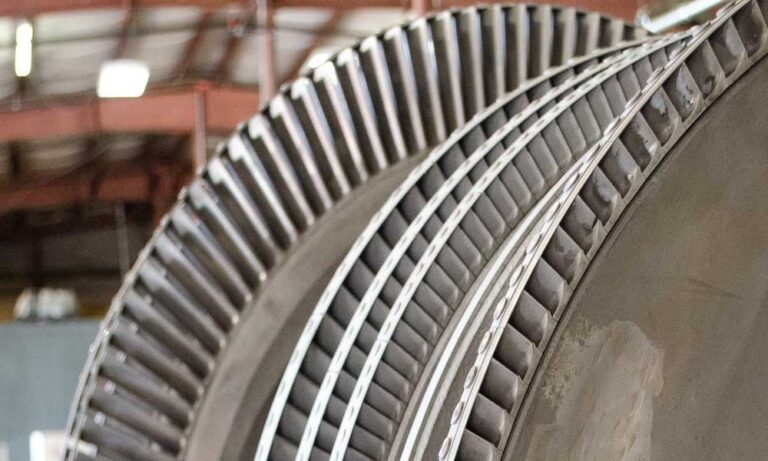
Operators are faced with a common conundrum when vital turbine parts exhibit wear or failure. It’s either you fix what they already have or change it completely.

The choice is rarely straightforward. It frequently has significant effects on long-term dependability, performance, cost, and downtime.

Plant managers and Turbine Component Repair service teams can safeguard assets while optimizing return on investment. This is achieved by being aware of the elements that affect decisions – whether to repair or replace turbine components.

Life Extension’s Place in GT Strategy

The goal of such programs is to preserve and fix essential parts. So that machinery can continue to function dependably after its initial design life. Operators wishing to optimize the value of current assets will find this strategy particularly beneficial.

Skilled service providers can prolong component life. While upholding performance and safety standards. This is done through dimensional restoration, heat or coating treatments, and precision welding.

Life extension techniques can drastically lower lifecycle costs. Of course, without compromising dependability when used properly.

Assessing the Viability of Repairs

Many parts can be repaired, but not all of them are. A comprehensive inspection procedure usually consists of:

  • Dimensional and visual examinations
  • Non-destructive testing techniques, including fluorescence penetrant examination and ultrasonic
  • When necessary, metallurgical analysis

These assessments aid in determining the degree of damage. That’s if the component can be repaired to a satisfactory level of service.

With less disturbance to operations and quicker turnaround times. Preservations are frequently far less expensive than replacements.

Performance and Dependability Factors

Repair technologies have come a long way. Aerodynamic layouts and structural integrity can all be restored to OEM-level specifications. Read from https://www.cmcpems.com/wp-content/uploads/2021/07/cogeneration-texas.pdf, for an example.

Upgraded materials and coatings may occasionally even outperform the original design. Especially in terms of performance and longevity.

Because of this, choosing whether to replace or restore components is more about strategy than compromise. Repairing can be a proactive instead of a reactive approach with the correct knowledge.

Recognizing the Actual Replacement Cost

Replacement is frequently seen as the simpler or safer course of action. Particularly when dealing with severely worn parts. Factory specs, warranties, and dependable performance. These are all appealing features of the new parts.

Replacement, however, also entails lengthier lead times, greater upfront costs, and possible supply chain delays. A total replacement might not be required in many situations.

With sophisticated repairing techniques, parts may frequently be returned to like-new condition. This includes blades, rotors, vanes, and combustors. A more thorough examination is necessary at this point.

The Significance of LCC Analysis

Repair versus replacement decisions are heavily influenced by lifecycle cost analysis. This approach assesses a component’s lifetime ownership costs rather than just its original rate.

LCC analysis takes into account elements like:

  • The initial cost of replacement or restoration
  • Anticipated service life upon completion of work
  • Production loss and downtime
  • The frequency of maintenance and related labor
  • The possibility of future failure

Operators can make well-informed decisions that support long-term business objectives. Rather than immediate convenience, they consider the whole financial picture.

Effects of Lead Time and Downtime

Manufacturing delay times are frequently associated with replacement parts. Particularly for large or specialist components. Prolonged outages can be expensive and inconvenient – find out more about the 2021 power shutdown.

Servicing usually has a quicker turnaround. Especially when they are provided by seasoned companies with internal resources.

In addition to increasing productivity. Reducing downtime also lessens the impact on operations and revenue.

Making the Wise Decision

Replacement versus repair should never be decided by habit or presumption. Data, inspection findings, and a firm grasp of long-term goals should be its driving forces.

Combining life extension methods with comprehensive LCC analysis and evaluations. This gives operators the insight they need to make confident, economical decisions.

Improve the Quality of Repairs

  1. Participate Early in the Procedure
  • Create a thorough specification that makes use of industry best practices. Also, the lessons discovered from prior maintenance.
  • To guarantee precise execution, establish review points at crucial moments in the reparation process.
  • Talk about deviations or non-conformances proactively to quickly resolve problems.
  • If at all feasible, go to the expert shop. Conduct a direct audit of the procedure to make sure it complies with the requirements.
  1. Incorporate Extensive Quality Assurance

To get satisfactory outcomes, inspection is essential. At crucial phases of the process, include the following quality checks:

  • Non-Destructive Testing: Confirms that there are no undetected flaws.
  • Destructive Testing: Verifies procedures such as coating removal and reconsideration without compromising important parts.
  • Flow as well as Pressure Checks: Ensures that fuel and air systems are not impacted.
  • Coating Thickness Checks & Cooling Hole Blockage Evaluation: Verifies correct coating application and cooling system operation.

These inspections help confirm that the renovation satisfies strict quality standards.

  1. Examine the documentation following upkeeps and do visual inspections.
  • Examine the work scope to make sure the tasks were finished according to the instructions.
  • Perform dimensional inspections to confirm that important metrics adhere to allowable tolerances.
  • To find possible inconsistencies in measurement data, look for outliers.
  • To make sure no problems were missed, do a last visual assessment.

By taking the time to complete these extra steps, you can be confident that the equipment is prepared for dependable performance.

Pet owners all throughout the Great White North have been looking to natural substitutes in recent years to help the health of their four legged friends. Among these remedies, CBD infused pet products have become rather popular especially for people looking for all encompassing treatments for their dogs’ welfare.

Understanding the Canine Wellness Revolution

Over the past ten years, Canadians’ relationship with their dogs has changed considerably. Dogs are no more just animals; they are real family members deserving of the same health concerns as their human counterparts. This change of viewpoint has resulted in an explosion of luxury, health conscious goods meant especially for dog friends.

With owners growing dubious of traditional medications with their possible side effects, natural supplementing has become the pillar of modern pet treatment. According to Canadian Veterinary Medical Association research, 63% of pet owners have looked at natural therapies for their animals during the past three years a stunning 27% rise from earlier studies.

The Science Behind Hemp Derived Support

Veterinary experts have paid close attention to hemp derived cannabidiol especially for its possible solution for frequent canine problems:

  • Joint mobility challenges: Particularly common in aged dogs and bigger breeds
  • Nervous system support: Support for the nervous system helps dogs manage environmental challenges.
  • Digestive system balance: Promoting consistent digestive capacity
  • Overall wellness maintenance: General health maintenance helps to create a balanced endocannabinoid system.

Vancouver based integrative medicine veterinarian Dr. Sarah Richardson notes: “While we’re still gathering clinical evidence, preliminary research reveal interesting applications for cannabis supplementation in veterinary care. Many of my clients say their pets’ general mood and comfort level have improved noticeably.”

Navigating the Marketplace in Canada

With several brands providing specialized formulas, CBD dog treats Canada market has grown rather large. For discriminating pet owners trying to find excellent items, this expansion has presented difficulties nevertheless.

Quality indicators worth considering include:

  • Results of third party laboratory testing
  • Hemp sources’ organic growth methods
  • Appropriate dosage of cannabinoids for dogs
  • Well chosen supporting components
  • Manufacturing standards observance

Pet owners should do extensive research before deciding what items to buy as Canadian rules on these goods always changing. See a veterinarian acquainted with cannabis supplements for great advice catered to your dog’s particular need.

Integrating Natural Supplements Into Your Dog’s Routine

When adding any new vitamin to your pet’s wellness program, the gold standard is still slow introduction. Start with less than advised and track your dog’s behavior over several days before modifying.

Many pet owners claim best results when adding these nutrients to a whole strategy for canine wellness including:

  • Appropriate for a life stage, a balanced diet
  • Regular physical exercise catered to age and breed; preventative veterinarian treatment
  • Enrichment and mental stimulation
  • Regular sleep times

Remember that depending on their particular physiology, age, and health issues, individual dogs react differently to supplements. One dog friend may find great success from something that works for another not at all.

Canadian dog owners now have more choices than ever to organically support the health of their cherished friends as the terrain of pet wellness changes. These natural supplements can make a great addition to your dog’s whole wellness program with careful study and competent advice.


If you have ever come across moles in your garden, you may be aware of how frustrating these creatures can be. Moles can leave your lawns looking messy and dirty. You may have heard that grubs can attract moles to your property, but how much of it is true?

Moles eat the insects and worms that they find on and under the ground. Grubs are one of them, and grubs can also ruin the root systems. Many people think that focusing on removing grubs will automatically solve the mole problem. However, it might be more complex than that. 

In reality, moles eat more than just grubs. Even if you remove all the grubs, moles will still stick around, eating worms and other bugs. To effectively remove moles from your property, it is best to call a professional pest control company. Find out more about them here. 

Understanding The Relationship Between Grubs And Moles

Many people believe that removing grubs from their garden will solve the mole problem. This is because moles love to feed on grubs. But this is only partly true. Grubs are only one of the insects that moles eat. 

One note of importance is that moles really get off on a lawn with a high population of grubs. But just because you do not have grubs does not mean they will not come with an open invitation to your lawn. Moles are omnivores and feed on many kinds of bugs.

Thus, even if you have cleansed your garden of larvae, moles will remain, for food is here in solitude in the shape of earthworms and other small creatures. This means that just controlling grubs is not going to ensure moles will leave your yard.

What Do Moles Really Eat?

Moles are insectivores, and so they like to eat insects and other little invertebrates. They love earthworms as their favorite food, which is a high source of nutrients and lots of moisture. 

Something interesting about them is that they can consume their own body weight in worms. There are plenty of earthworms in the soil, so they are not faced with any difficulty in finding food.

Moles also eat insects such as beetles, ants, and flies, as well as spiders. They are burrowing creatures that spend most of their time below the ground, digging around in the dirt to find their meals.

Does Grub Control Still Matter?

Grub control will not fix the whole problem, but it is still important. Grubs eat the roots of grass and can kill large areas of your lawn if you do not stop them. This can leave empty spots where moles might dig more, making your lawn even worse.

Therefore, maintaining grub control not only keeps moles away but also protects your lawn’s health. This makes your lawn less attractive to moles, but this is not enough to fully resolve the issue. This is only one key part of the process. 

Effective Methods To Control Moles 

Grub control alone will not keep moles at bay or get rid of them. Trapping moles is the most effective means of getting rid of them. Professional mole traps are designed to instantly trap and kill the mole.

In addition to needing to place the traps properly, you also have to know where the mole or moles’ tunnels are, and that can be tricky for someone who has never tried it. Also, fake earthworms that are toxic can be effective. But those should be used carefully to spare pets and wildlife from getting hurt.

You can also use castor oil to make the dirt smell bad, which will make them want to leave. Moles can also be kept out of certain places by putting up underground fences or trenches filled with rocks.

If moles and grubs have been damaging your lawn and making your life difficult, call professional pest control today. 

In today’s world, ethical dilemmas are everywhere—from small, everyday choices to life-altering decisions. Whether it’s about being truthful in personal relationships, fair in business dealings, or responsible as a global citizen, our moral choices shape not only who we are but also how society functions. Just as physical muscles require regular exercise and conditioning to stay strong, so do our moral muscles. Strengthening your ethical backbone means building habits of integrity, honesty, and accountability into everyday life.

The Role of Accountability in Ethical Decisions

One essential factor in maintaining ethical strength is having systems of accountability in place. We all need reminders and reinforcement to stay on track with our values. Whether it’s sharing your personal goals with a friend, maintaining transparency in the workplace, or using external tools to check yourself, accountability ensures that we remain aligned with our moral commitments.

For instance, Soberlink provides a system that helps individuals recovering from alcohol addiction remain accountable by tracking and sharing their sobriety progress. This tool not only enables users to maintain responsibility toward themselves and their loved ones but also fosters a deeper commitment to ethical principles such as honesty and accountability. Soberlink review results show how significant this platform is in people’s recovery journeys and how it helps them stay on track. Investigate different people’s points of view for more in-depth feedback and experiences. Systems like Soberlink promote the kind of discipline and accountability that are essential for sustaining ethical behavior over the long term.

What Are Moral Muscles?

The term “moral muscles” refers to the mental and emotional strength needed to make ethical decisions, even when it’s difficult. Much like physical muscles, these moral muscles require consistent practice and reinforcement. Our ability to stand up for what is right, resist temptations, and make decisions that align with our values depends on how well-developed our ethical muscles are.

Muscles

The good news is that anyone can build their moral muscles. It’s not an innate trait but a skill set that can be honed over time. This includes actions like resisting dishonesty, sticking to commitments, and admitting mistakes, which are often harder in the moment but contribute to a life of integrity.

Daily Exercises for Strengthening Moral Muscles

  1. Practice Self-Awareness: The first step in strengthening your moral muscles is becoming more aware of your daily actions. Reflect on decisions you make throughout the day, no matter how small. Did you overstate something in a conversation to make yourself look better? Did you shy away from speaking up for what’s right because it was uncomfortable? Building self-awareness helps you identify areas where you may be compromising your values without realizing it.
  2. Resist Small Temptations: Small, seemingly inconsequential decisions can set the tone for your overall moral strength. If you can resist cutting corners in minor situations—whether it’s fudging numbers on a work report or telling a little white lie—you build up your resistance to bigger ethical temptations later on. Every act of integrity, no matter how small, adds to the development of your moral muscles.
  3. Take Responsibility for Your Actions: Owning up to your mistake is a critical part of building ethical strength. When you take responsibility for the consequences of your actions, even when it’s uncomfortable or humbling, you reinforce a mindset of accountability. This can extend from admitting a mistake at work to taking responsibility for your role in a personal conflict.
  4. Engage in Ethical Role-Playing: A practical way to strengthen moral muscles is to imagine how you would act in different ethical scenarios. What would you do if you witnessed a coworker engage in dishonest behavior? How would you respond if you saw someone being treated unfairly? Engaging with hypothetical situations like this prepares your moral muscles to act with strength when real-life challenges occur.

Building Courage for Ethical Decision-Making

Strengthening moral muscles also means building courage—courage to stand by your principles even when it’s hard. There will be times when making the ethical choice will require personal sacrifice, whether it’s losing a client because of honesty, or standing up to a friend’s harmful behavior. Developing moral courage means being willing to endure short-term discomfort for long-term integrity.

Consistency Is Key

As with physical fitness, consistency is the foundation of strong moral muscles. Ethical decision-making isn’t something that’s needed only for major life events; it’s a daily practice. Whether it’s being honest about why you’re running late or choosing not to gossip about a colleague, every small decision you make strengthens—or weakens—your moral muscles.

A Stronger Ethical You

Building and maintaining strong moral muscles requires consistent practice, self-awareness, and sometimes external tools of accountability. By reflecting on daily actions, resisting temptations, and taking responsibility, you lay the groundwork for a life of integrity. And with the support of accountability systems like Soberlink and the courage to make difficult choices, you can strengthen your ethical backbone, ensuring that your decisions align with the values that matter most.

In a world filled with ethical gray areas, a strong moral backbone is not just a personal asset but a societal necessity. By consciously exercising your moral muscles, you contribute to a more just, honest, and accountable world.

In recent years, there has been a noticeable shift in the way female protagonists are portrayed in adult gaming. Traditionally, women in video games were often relegated to supporting roles or portrayed as damsels in distress. However, with the rise of more diverse and inclusive narratives, we are seeing a new wave of female characters who are complex, multidimensional, and empowered.

One of the key factors driving this change is the increasing demand for more representation and diversity in gaming. Players are no longer satisfied with one-dimensional stereotypes or clichéd tropes when it comes to female characters. They want to see women who are strong, independent, and capable of taking on lead roles in their own stories.

This shift can be seen in games like “Tomb Raider” and “Horizon Zero Dawn,” where players take on the role of powerful and resourceful women who are not defined by their relationships with male characters. These games have received critical acclaim for their compelling narratives and well-developed characters, proving that there is a market for stories that center around strong female protagonist porn game protagonists.

Another important aspect of this trend is the emphasis on agency and autonomy for female characters. In many older games, women were often portrayed as passive objects to be rescued or won over by male protagonists. This perpetuated harmful stereotypes about gender roles and reinforced the idea that women were not capable of being heroes in their own right.

However, modern games are challenging these outdated notions by giving female characters agency over their own actions and decisions. Whether it’s making choices that impact the story or engaging in combat alongside male allies, these characters are taking control of their own destinies and shaping their own narratives.

Furthermore, many recent games have also explored themes related to gender identity and sexuality through their female protagonists. By including LGBTQ+ representation and addressing issues such as sexism and misogyny within their narratives, developers are creating more inclusive worlds that resonate with a wider range of players.

Overall, the redefinition of female protagonists in adult gaming represents an important step forward towards greater diversity and representation within the industry. By telling stories that reflect the experiences of all players – regardless of gender – developers can create more immersive worlds that appeal to a broader audience. As we continue to see more nuanced portrayals of women in video games, we can look forward to even more empowering narratives that challenge our expectations and inspire us all.

Mercury is a toxic heavy metal that is harmful to human health. It is found naturally in the environment, but human activities, such as mining and the burning of coal, have significantly increased their presence in the environment. Mercury pollution can have severe impacts on human health, with many negative effects ranging from neurological problems to organ failure.

Some neurological problems may lead to erectile dysfunction which is the inability to achieve and maintain an erection. This may cause men to take medicines like Cenforce 150 and Fildena 50 to overcome the sexual problem.

Presence of Mercury in Our Surroundings

Mercury is present in various forms in the environment, including elemental mercury, organic mercury, and inorganic mercury. Elemental mercury is the form of mercury that is used in thermometers, barometers, and other devices. When these devices are broken or disposed of improperly, the elemental mercury can vaporize and be inhaled, causing neurological damage. Organic mercury, on the other hand, is produced when the mercury combines with carbon.

It is found in fish and other seafood, and it can accumulate in the body over time, causing neurological problems. Inorganic mercury is the most common form of mercury found in the environment. It is produced when elemental mercury combines with other elements, such as chlorine and sulfur. It can cause kidney and lung damage, as well as neurological problems.

Mercury contamination is a significant concern, especially for people who rely on fish and other seafood as a primary source of protein. When mercury is released into the environment, it can contaminate waterways and cause fish and other aquatic organisms to absorb the toxic metal. As a result, people who consume contaminated fish or other seafood can experience severe health problems.

Health Problems Caused By Mercury Contamination

The most common health effects of mercury exposure are neurological problems. Mercury can damage the nervous system, causing a wide range of symptoms, including numbness or tingling in the hands and feet, muscle weakness, tremors, and difficulty with coordination. Mercury exposure can also cause cognitive problems, such as memory loss, difficulty concentrating, and learning disabilities. These symptoms can be particularly severe in children, whose developing nervous systems are more vulnerable to the effects of mercury.

Mercury contamination can also cause damage to other organs in the body. In particular, mercury exposure can cause kidney damage, leading to impaired kidney function and ultimately kidney failure. The metal can also cause lung damage, resulting in respiratory problems, such as coughing, wheezing, and shortness of breath. In addition, mercury exposure can damage the immune system, making it more difficult for the body to fight off infections.

The severity of health effects resulting from mercury exposure is dependent on the duration and level of exposure. Those who are exposed to high levels of mercury for long periods, such as workers in the mining and manufacturing industries, are at the greatest risk for health problems. However, even low levels of mercury exposure over time can cause negative health effects, particularly in vulnerable populations, such as pregnant women, nursing mothers, and young children.

To reduce the risk of mercury exposure, it is important to take precautions when handling products that contain mercury. These include avoiding breaking thermometers or other mercury-containing devices, properly disposing of such items, and limiting the consumption of fish and other seafood that are known to contain high levels of mercury. In addition, it is important to limit exposure to other sources of mercury, such as dental fillings that contain amalgam and products containing mercury, such as some skin-lightening creams.

In conclusion, mercury contamination is a serious health concern that can cause significant harm to individuals who are exposed to it. The toxic metal can cause neurological problems, organ damage, and other health problems that can be severe and long-lasting. Neurological problems can also sometimes lead to sexual problems like erectile dysfunction. Many men suffering from nerve problems, especially in the genital are bound to take medicines like Tadalista 20 and Vilitra to lead a normal sex life.

To reduce the risk of mercury exposure, it is important to take precautions when handling products that contain mercury, limit consumption of contaminated fish and other seafood, and avoid other sources of mercury exposure. By taking these steps, individuals can help protect their health and reduce the risk of mercury-related health problems.

What is a Luxury Rehab?

The word “luxury rehab” refers to a wide variety of service levels offered at a high-end rehabilitation center. Many people’s mental impressions of this phrase include luxurious places in exotic locations and with private master and suite rooms.

It might be beneficial to go back to the beginning, to why you’re trying to quit alcohol in the first place. What do you aim to accomplish before leaving the addiction treatment center? If your budget and goals are in line with what a luxury alcohol rehab has to offer, then it might be your best choice.

Treatment Options at a Luxury Alcohol Rehab and Their Associated Cost.

The treatment cost at most luxury alcohol rehabs in Houston is normally determined in large part by the specifics of the chosen rehabilitation program. It’s worth noting that many individuals do best with a continuum of treatment that includes more than one of the following tiers. Your specific needs in terms of addiction treatment and any co-occurring health disorders will determine the specific kind of care you need. Below are ballpark figures for the costs associated with various treatment programs.

  1. Alcohol Detox

The detoxification cost is often included in the total cost of care after you enroll in a residential treatment center. However, ambulatory detox programs, often known as outpatient detox, may cost anywhere from $1,000 to $2,000, depending on the duration of the program and the specific medical services necessary for your treatment.

  1. Inpatient Treatment.

A mandatory requirement of inpatient rehabilitation programs is that patients reside at the center for their entire course of alcohol addiction therapy. So, you will be covering the costs of accommodation, food, personnel, and luxuries. The reality is that the price of inpatient rehab in Houston luxury rehabs varies widely depending on which center is chosen. You may spend as little as $20,000 on a 30-day program or as much as $80,000.

  1. Outpatient Treatment.

Mild addicts who don’t need constant care might benefit the most from outpatient treatment. This is a more cost-effective alternative when compared to traditional inpatient rehabilitation programs. The average price for a 90-day outpatient treatment program in most Houston rehabs is between $10,000 and $20,000.

Is Enrolling in a Luxury Rehab Program in Houston, Texas, The Best Option?

While the idea of a luxurious stay at a rehabilitation facility may appeal to some, it is not the best choice for everyone. There are many that thrive off of the VIP treatment they get at posh establishments, but that’s not always the case. Instead of spending lots of dollars on treatment at a center hundreds or thousands of miles away, one can choose to attend our standard rehab program at Mallard Lake Detox Center. However, we still have those who believe that a luxurious setting would be paramount to their recovery sorted. We offer high-end alcohol rehab programs that are tailored to the individual needs of the patients. Get in touch with Mallard Lake Center right away to set up a meeting.

Roulette is one of the most popular casino games. It’s a game of chance with 37 or 38 slots, each with a different number and colour. If you’re looking for an easy-to-learn, exciting game that can be played online, you should definitely look into online roulette. This blog will provide an overview of how to play online roulette, as well as some tips and strategies.

How to Play Online Roulette

Playing online roulette is quite simple. First, place your bet on the table by selecting the chip size you want to wager and then clicking on a section of the table (red/black, odd/even, etc.). Once all bets have been placed, click the “spin” button and wait for the ball to land in one of the numbered slots. If your bet matches where the ball landed, you win!

The Different Types of Roulette Bets

There are several types of bets available when playing online roulette. These include inside bets (e.g., betting on specific numbers), outside bets (e.g., betting on red or black), column bets (e.g., betting on all 12 numbers in a column), and street bets (e.g., betting on 3 numbers across). The odds for each type of bet vary depending on what you choose to wager on; for instance, inside bets have higher pay-outs but lower odds than outside bets do.

Tips and Strategies for Playing Online Roulette

As with any casino game, knowing some tips and strategies can help increase your chances of winning at online roulette. One such strategy is called the Martingale System which involves doubling your bet after each loss until you eventually win back your losses plus one extra unit – this system can be used both for inside and outside bets alike. Additionally, it’s important to remember that no matter what type of bet you place, there is still an element of luck involved – so don’t get too attached to any particular strategy! Lastly, it’s important to make sure that when playing online roulette you stick within your budget; it’s easy to get carried away with placing larger and larger bets if you’re not careful!

Online roulette provides an exciting casino game experience without ever having to leave home. By understanding how to play online roulette and familiarizing yourself with some tips and strategies, you have a better chance at winning more often while still enjoying yourself at the same time! So why not give it a try? You never know – lady luck might just be smiling down upon you!

If you’ve ever shopped for a realistic vibrator, you’ve probably noticed that they come in three different price ranges: very expensive, more expensive, and cheapest realistic vibrators. But what’s the difference between these types of toys? And which is best for your needs? Let’s explore some of the pros and cons of each option to help you decide which type of vibe is right for you.

The cheaper the vibrator, the more likely it is to be made with toxic materials.

The cheaper the vibrator, the more likely it is to be made with toxic materials. This is because low-cost manufacturers don’t have access to higher quality materials and therefore instead opt for cheaper, less safe options. These unsafe materials can cause health problems like skin irritation, allergic reactions, cancer and even birth defects!

Cheaper realistic vibrators are not as well-made as their more expensive counterparts.

The cheapest realistic vibratorsare made with lower-quality materials and less care. Cheap vibrators are also not as well-made, which means they might break down easier and more quickly than a more expensive toy. In addition, because they are not as durable, the money spent on a cheap toy could be wasted if it breaks after only a few uses.

Cheaper realistic vibrators can be less powerful than more expensive ones.

There are a few reasons why cheapest realistic vibrators may be less powerful than more expensive ones. The first, and most obvious, is that there’s a correlation between price and power. More expensive vibrators tend to be more powerful than their less expensive counterparts. The second reason has to do with the materials used in manufacturing the toy and battery life. Cheaper toys usually use less durable plastic and have shorter battery lives than pricier models.

You get what you pay for when it comes to realistic vibrators.

There are a few disadvantages to buying the cheapest realistic vibrators. Cheaper models often aren’t as well-made, powerful or long lasting as their more expensive counterparts. If you’re on a tight budget but still want to enjoy your first experience with this type of toy, it’s important to be realistic about what you can expect from the cheaper ones.

Conclusion

So, is it worth sacrificing quality for a lower price? The answer is probably not. Like we said above, if you’re going to invest in a realistic vibrator and spend your money on something that’s going to last for years (or even decades), then why would you want to buy the cheapest one around? There are plenty of great options out there for all different budgets so don’t feel like you have to rush out and get an expensive one just because we said so – do your research! We hope this article helped clear up some misconceptions about cheaper realistic vibrators as well as showed what kinds of things they might be lacking in terms of materials or functionality compared with more expensive ones.