
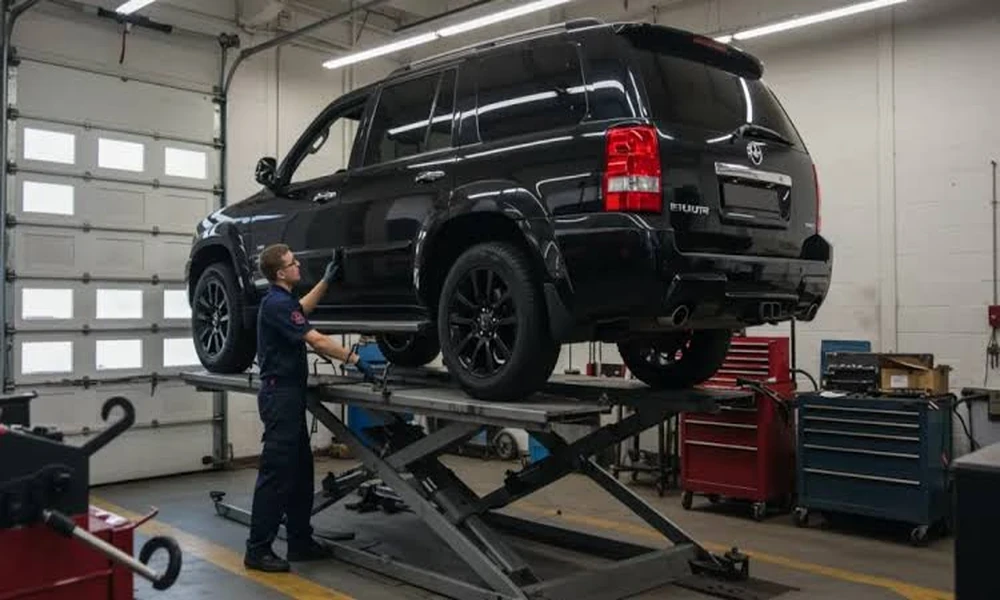
Bulletproof vehicles are no longer a symbol exclusive to war zones or heads of state. Today, armored SUVs and cars glide silently through everyday traffic, blending security with luxury and comfort. Have you ever wondered how these seemingly standard vehicles are transformed into rolling fortresses?
Early Concepts and Origins of Vehicle Armoring
Decades ago, the concept of protecting vehicles with more than just metal was revolutionary. The historical roots of armored vehicles trace back to the early 20th century, when military convoys and cash-in-transit trucks were the first to receive heavy steel plating. World War I saw the rise of crude, armored cars designed to withstand rifle and machine-gun fire, but the technology was rudimentary.
Back then, armoring relied on thick steel slabs and basic bulletproof glass, which made vehicles unwieldy and slow. Early innovations struggled with excessive weight and limited mobility. As a result, armored cars were often easily identified and not particularly efficient.
Evolution of Armoring Techniques
As the decades progressed, the need for civilian protection increased. Executives, diplomats, and high-profile individuals began seeking discreet security solutions. This transition from military to civilian use required a new approach. Materials evolved beyond steel to composite armors and advanced ceramics, allowing for lighter construction without sacrificing protection.
Modern armoring also integrates electronics and smart security systems. Instead of just stopping bullets, vehicles now feature run-flat tires, explosion-resistant floors, and even emergency communication links. The marriage of ballistics with technology has truly redefined what protection means.
The Armoring Process Today: Step-by-Step Overview
Transforming a standard car or SUV into a secure, bulletproof vehicle is a meticulous process. Leading firms like Troy Armoring armored vehicles have refined these steps to an art form.
Chassis Delivery and Initial Inspection
Every armored vehicle journey begins with the delivery of a new or client-supplied chassis. Technicians meticulously inspect the car’s frame, ensuring it is free from defects and suitable for the upgrades to come.
Vehicle Preparation and Disassembly
Next, the vehicle is stripped down to its essentials. Seats, panels, carpets, even headliners are removed. This step is critical for gaining access to every part of the car’s structure, preparing it for the integration of protective materials.
Installation of Armored Panels and Ballistic Glass
With the skeleton exposed, technicians install ballistic steel panels within the doors, roof, pillars, and firewall. The glass is replaced with multi-layered, bullet-resistant units, designed to withstand high-caliber projectiles while maintaining visibility and functionality.
Upgrades to Suspension and Braking Systems
All that added weight is useless if the car cannot handle it. Suspension and braking systems are upgraded to support the new mass and ensure the vehicle remains agile and responsive in critical moments.
Integration of Security and Safety Features
Modern armored vehicles include more than just thick steel. Features like blast protection, oxygen supply systems, sirens, and PA systems may be integrated, tailored to the client’s security needs.
Reassembly and Finishing Touches
Once protection is assured, the interior and exterior are reassembled to factory specifications. Attention to detail ensures the vehicle remains indistinguishable from an unarmored version.
Comprehensive Quality Control and Testing
Before delivery, every armored vehicle undergoes rigorous testing. Ballistic evaluations, road tests, and quality checks guarantee both security and performance standards are met.
Customization and Specialty Armoring Options
Not every client needs the same level of protection or luxury. SUVs offer more internal volume and are often preferred for higher protection levels, while sedans may better suit discreet or urban use. Luxury add-ons, from custom leather to entertainment systems, ensure that safety never means sacrificing comfort.
Specialized armoring for cash-in-transit vehicles focuses on different priorities, such as secure cargo holds and advanced alarm systems, demonstrating just how tailored these solutions can be.
Post-Armoring Support and Maintenance
The journey does not end at delivery. Top armoring providers offer reliable spare parts and dedicated post-sale service. Routine maintenance is essential, given the unique stresses on armored vehicles, and reputable companies back their work with warranties and certification to reassure clients their investment is protected.
Future Trends in Vehicle Armoring
Looking ahead, the industry is experimenting with lighter, stronger materials and even smart vehicle integration. The prospect of autonomous armored cars is not as far off as it once seemed, opening up new discussions about remote security control and AI-powered defenses. As regulations evolve and global demand increases, the only certainty is that armoring will continue to innovate.
Choosing the Right Armoring Provider
Selecting the right firm goes beyond just the price tag. Prospective buyers should scrutinize a manufacturer’s certifications, commitment to standards, and transparent processes. The value lies not just in materials, but in expertise, proven testing protocols, and responsive aftercare. When confidence and safety are non-negotiable, the choice of partner matters as much as the steel in the doors.
The modern armoring process balances tradition, innovation, and an unwavering commitment to safety, making today’s armored SUVs and cars more versatile and reliable than ever before.
