
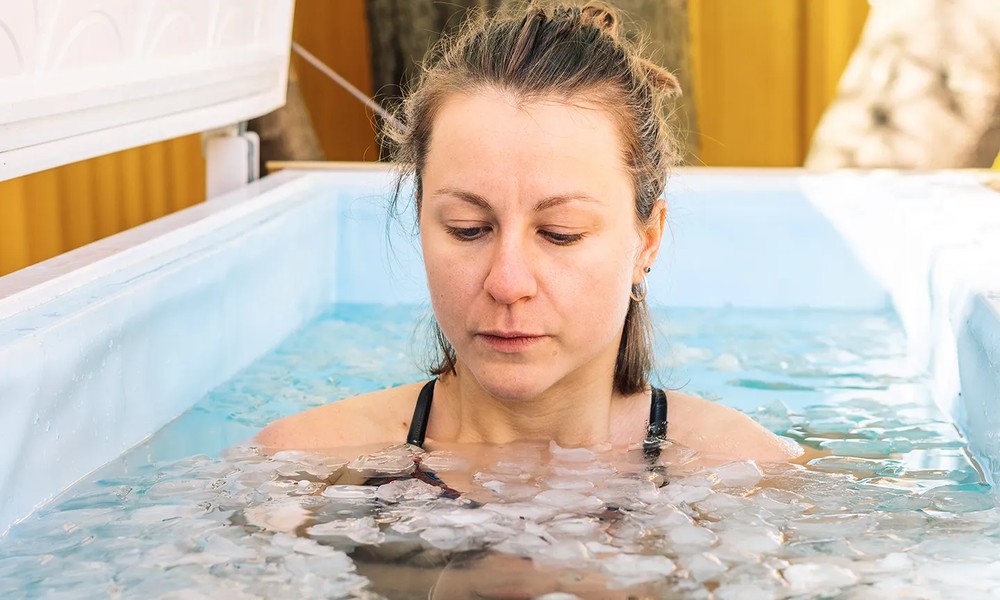
Cold plunging has gained attention as a refreshing way to support recovery, improve circulation, and enhance mental clarity. Many beginners feel drawn to the practice but remain unsure about how to begin safely within a home setting. A thoughtful approach ensures that the experience remains beneficial and comfortable from the very first session.
A well-structured cold plunge guide can help beginners build confidence while avoiding common mistakes. Clear routines, proper preparation, and awareness of physical responses make the transition into cold exposure smoother. With the right knowledge, this practice can become a rewarding addition to a wellness routine.
The Basics of Cold Plunging
Cold plunging involves immersing the body in cold water for a short period to stimulate circulation and activate recovery responses. Temperature control plays a key role, as extremely low temperatures can create discomfort if the body is not prepared. Beginners should start with moderately cold water and gradually adjust as tolerance improves.
Consistency matters more than intensity during the early stages. Short sessions allow the body to adapt without unnecessary strain. A steady approach helps develop resilience while maintaining safety and comfort.
Prepare a Safe Home Setup
A proper setup creates a controlled environment that supports safe practice. A dedicated tub or container should be stable, clean, and placed on a flat surface. Adequate space around the area allows easy entry and exit, which is essential for maintaining balance and confidence.
Water temperature should remain consistent throughout each session. A thermometer can help monitor conditions and prevent sudden changes. Towels, warm clothing, and a comfortable resting area should remain within reach to support recovery after immersion.
Essential Safety Tips for Beginners
- Start with sessions lasting one to three minutes to allow gradual adaptation.
- Maintain steady breathing to avoid sudden shock responses.
- Keep your head above water to reduce unnecessary strain.
- Ensure someone is nearby during initial attempts for added safety.
- Exit the tub immediately if dizziness or discomfort occurs.
These precautions help create a secure foundation for building a routine.
Build a Consistent Routine at Home
A structured schedule supports steady progress and helps the body adapt over time. Sessions can be practiced a few times per week, allowing sufficient recovery between each attempt. Gradual increases in duration or temperature changes should be introduced carefully.
A reliable cold plunge guide encourages attention to physical signals and personal comfort levels. Each session should feel manageable rather than overwhelming. Progress becomes more sustainable when adjustments are made with patience and awareness.
Significance of Buying Cold Plunge Tubs from Authentic Sellers
Choosing a dependable seller ensures access to equipment that meets safety and durability standards. Authentic providers offer well-constructed tubs designed to maintain stable temperatures and provide a comfortable experience. This level of quality reduces risks linked to faulty materials or poor design.
Reliable sellers also provide clear instructions and dependable support, which can be valuable for beginners. Proper guidance helps users maintain their equipment and achieve consistent results. Confidence in the source of purchase contributes to a smoother and more enjoyable experience.
Common Mistakes to Avoid During Cold Plunging
- Extending the session duration too quickly without proper adaptation.
- Using water that is excessively cold during early attempts.
- Ignoring physical discomfort or warning signs from the body.
- Skipping warm-up or recovery steps after immersion.
- Practicing in an unsafe or unstable environment.
Awareness of these mistakes helps maintain a balanced and effective routine.
Thus, safe cold plunging begins with preparation, awareness, and gradual progress. A consistent routine supports both comfort and long-term benefits. Careful choices and reliable equipment ensure a positive experience at home.
