
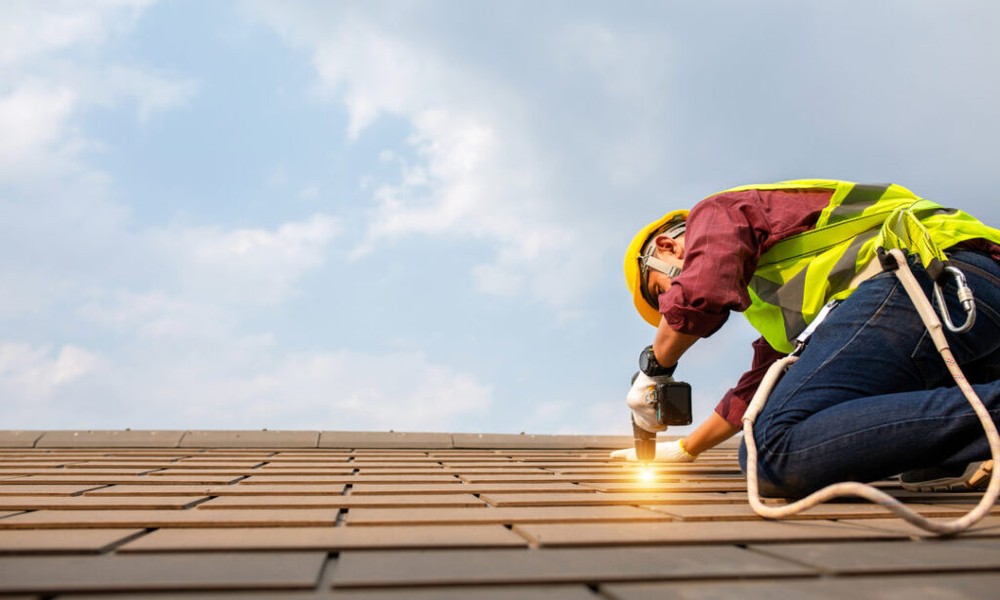
Roof damage is not always easy to evaluate from the ground. A few missing shingles may seem like a minor issue, while hidden moisture damage or widespread deterioration can point to much larger concerns. The challenge for homeowners is understanding when repairs remain practical and when replacement becomes the more appropriate solution. This article explains the damage patterns that frequently lead to roof replacement decisions, why they matter, and how homeowners in Daytona can better understand the condition of their roofing system.
Widespread Shingle Deterioration
Roofing materials naturally wear down after years of exposure to weather conditions. In Daytona, constant sunlight, heavy rain, and seasonal storms can gradually affect shingle performance and protective capabilities. When deterioration spreads across large sections of the roof, isolated repairs may no longer provide an effective long-term solution.
Homeowners considering roof replacement in Daytona usually discover that widespread wear affects more than appearance. Aging shingles may lose granules, crack, curl, or become brittle, reducing their ability to protect the structure. At a certain point, replacing scattered sections becomes less practical than addressing the roof as a complete system.
Repeated Leak Locations
A single leak does not automatically indicate the need for replacement. However, leaks that continue to appear in different areas can suggest broader roofing concerns. Water may travel beneath roofing materials and affect sections far from the visible source.
Common warning signs include:
- Recurring leaks after previous repairs
- Water stains in multiple rooms
- Damp attic insulation
- Moisture-damaged roof decking
These conditions may indicate that problems extend beyond one isolated area. A broader solution is sometimes necessary to address the underlying cause effectively.
Storm Damage Across Multiple Sections
Storm-related damage can vary significantly from one roof to another. Some properties experience localized damage, while others sustain impacts across large portions of the roofing system. Extensive wind or hail damage can affect shingles, flashing, and protective roofing components simultaneously.
A practical example involves a roof that loses shingles in several areas after repeated storms. Even when individual sections can be repaired, the overall condition of the roof may continue to decline. Roofing professionals evaluate the extent and distribution of damage before recommending the most appropriate course of action.
Structural and Decking Concerns
Roofing materials depend on a stable structure beneath them. Moisture intrusion, prolonged leaks, and aging components can eventually affect roof decking and supporting materials. Damage below the surface may not become visible until a detailed inspection takes place.
When structural concerns affect larger portions of the roof, repairs may address only part of the problem. Replacing roofing materials without addressing underlying conditions can limit long-term performance. This is one reason roofing professionals pay close attention to hidden damage during evaluations.
Age Combined With Multiple Problem Areas
Roof age alone does not determine whether replacement is necessary. However, age becomes a significant factor when combined with recurring leaks, widespread deterioration, and storm-related damage. Multiple concerns occurring at the same time can indicate that repairs may no longer provide the most practical solution.
Professional roofing assessments help homeowners understand the relationship between visible damage and overall roof condition. A detailed inspection can reveal issues that may not be obvious from the ground, including hidden moisture damage and deteriorating roofing components. These evaluations help determine whether repairs remain practical or if a broader solution would better address existing concerns.
Roof replacement decisions are usually based on patterns rather than a single problem. Widespread deterioration, recurring leaks, structural concerns, and extensive storm damage can all contribute to the need for a larger solution. Understanding these warning signs helps homeowners evaluate recommendations more confidently, and discussions about roof replacement in Daytona usually begin when multiple issues start affecting the roof’s overall performance. A detailed assessment can then provide valuable insight into the condition of the roofing system and the options available moving forward.
