
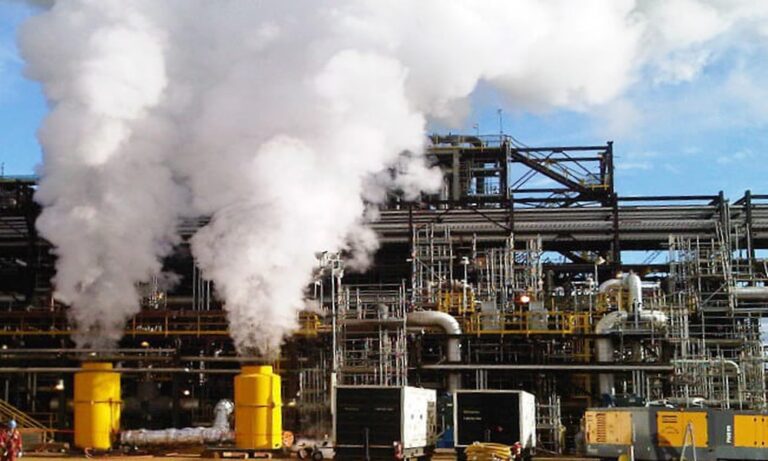
The generator systems inside surfaces are cleaned. This is to get rid of impurities that hinder heat transfer. This could eventually lead to tube failure.
The following elements should be taken into account when choosing a cleaning procedure. And whether to use chemicals:
- Design, flow rate, operational temperature, and pressure.
- Attributes and amount of the deposit.
- Solvent’s suitability for system metallurgy.
- How wasted solvents are disposed of.
- The accessibility of condensate or demineralized water.
- Security
- Price
Pre-operational Cleaning
It has seldom been given much thought during the design and building of plants. Costs, noise abatement regulations, lower boiler design margins, and environmental constraints on plant emissions. Also, increased boiler temperatures and operating pressures. These have all contributed to the current increase in interest in this field.
Removing construction pollutants that may result in operating issues or even collapse during initial operation. This is the goal of preoperational steam turbine cleaning – a must in this industry. Weld slag, mill scale, grease, corrosion products, oil, dirt, debris, and temporary protective coatings. These and other contaminants are examples of preoperational pollutants. These persist after the item has been manufactured and assembled.
During system operation, the mill scale is susceptible to erosion and fracture. This is a thick layer of magnetite formed on the surfaces made of steel during fabrication. These surface fissures are possible corrosion sites. Since the exposed metallic material is anodized to the mill scale.
Additionally, if they come free, mill as well as weld scale could become deposit collection sites and result in damage. Chemical cleaning is typically required to remove corrosion products and metallic scale.
Post-operational Cleaning
A blown tube could be the first sign that a boiler needs chemical washing. Especially if an inadequate inspection regime is in place. The boiler’s design, operating needs, water treatment history, and operating conditions. All of these affect the kind and frequency of necessary inspections.
While a waterside examination of the drums, headers, and tube internals could show deposit buildups. These suggest a need for boiler washing. A visual assessment of the fireside may reveal blistering tubes.
Conditions in tubes as well as headers that are not normally visible, can be observed. This is achieved with borescopes and tiny video cameras.
To enable both quantitative monitoring of the deposit deposition. And a visual inspection of the circumstances at this crucial site. Tube samples are frequently cut from the boiler’s maximum heat flux area.
Check out https://www.thermopedia.com/content/1072/ for added information.
Flushing Water And Blowing Steam
Tempered water of drinkable quality is typically used for alkaline water flushes. The system design velocity should be less than the flush velocity. Due to incomplete draining, the condensation system, deaerator, hot well, and deaerator unit storage tank. These are typically cleaned by hand following the flush.
Typically, blowing comes after the final chemical cleaning of the boiler and economizer. This procedure is typically completed in two steps when reheaters are present. The superheater and main pipework are blasted first.
The reheater, superheater, and main steam pipework are then blown. Whenever the blowing force is more than the maximum operational force. You can get the best results. It has been discovered that a force ratio of 1.6:1 effectively removes particles from the pipework. Although blowing is done continuously, it’s more typical to blow for a few minutes at a time.
Following the alkaline method, the unit gets cleaned with high-quality condensate. They’re cooled gradually, and the alkaline solution is emptied into the disposal area.
It is recommended to continue flushing with intermediate blowdown. It’s until the phosphate is below one part per million and the flush water permeability is less than 50 mhos. If the equipment is inspected, and organic and residual oil-based impurities are discovered. Alkaline cleansing should be done again.
Benefits of Cleaning
- Non-Abrasive Process: To avoid damaging turbine blades and other delicate parts. It frequently employs non-abrasive procedures, in contrast to conventional approaches. This guarantees that the turbine’s integrity is preserved while it’s being cleaned.
- Increased Efficiency: The unit’s aerodynamic efficiency is increased when deposits like scale and fouling are removed from the blades. Better performance, increased production, and lower fuel consumption result from this.
- Better Heat Transfer: The effectiveness of heat transfer is increased when deposits are removed from the blades and other parts. Thus, improving the strain on the turbine and optimal functioning.
- Safety and the Environment: A lot of steam techniques are safe for operators and the environment. Thus, lowering the possibility of chemical exposure as well as environmental pollution. Go to this site to learn more.
- Cost-Effective Maintenance: By reducing the possibility of expensive emergency repairs and unplanned outages. It is a part of routine maintenance that ultimately saves money.
- Enhanced Reliability: A clean unit is less likely to malfunction and fail. The unit’s overall dependability and consistent operation are enhanced.
- Regulation Compliance: It aids in adherence to safety and environmental laws. These frequently specify requirements for emissions as well as operational security.
- Improved Inspection Capability: Because deposits and rust can conceal underlying problems. A clean turbine enables more efficient inspections. This guarantees that possible issues are found and fixed right away.
- Decreased Downtime: Compared to more intrusive techniques. Advanced techniques can frequently be carried out while the turbine is still warm. But in a shut-down state, it greatly cuts downtime.
- Extended Equipment Life: By preventing wear and corrosion. It helps prolong the unit’s operational life. It lowers the frequency of repairs or replacements.