
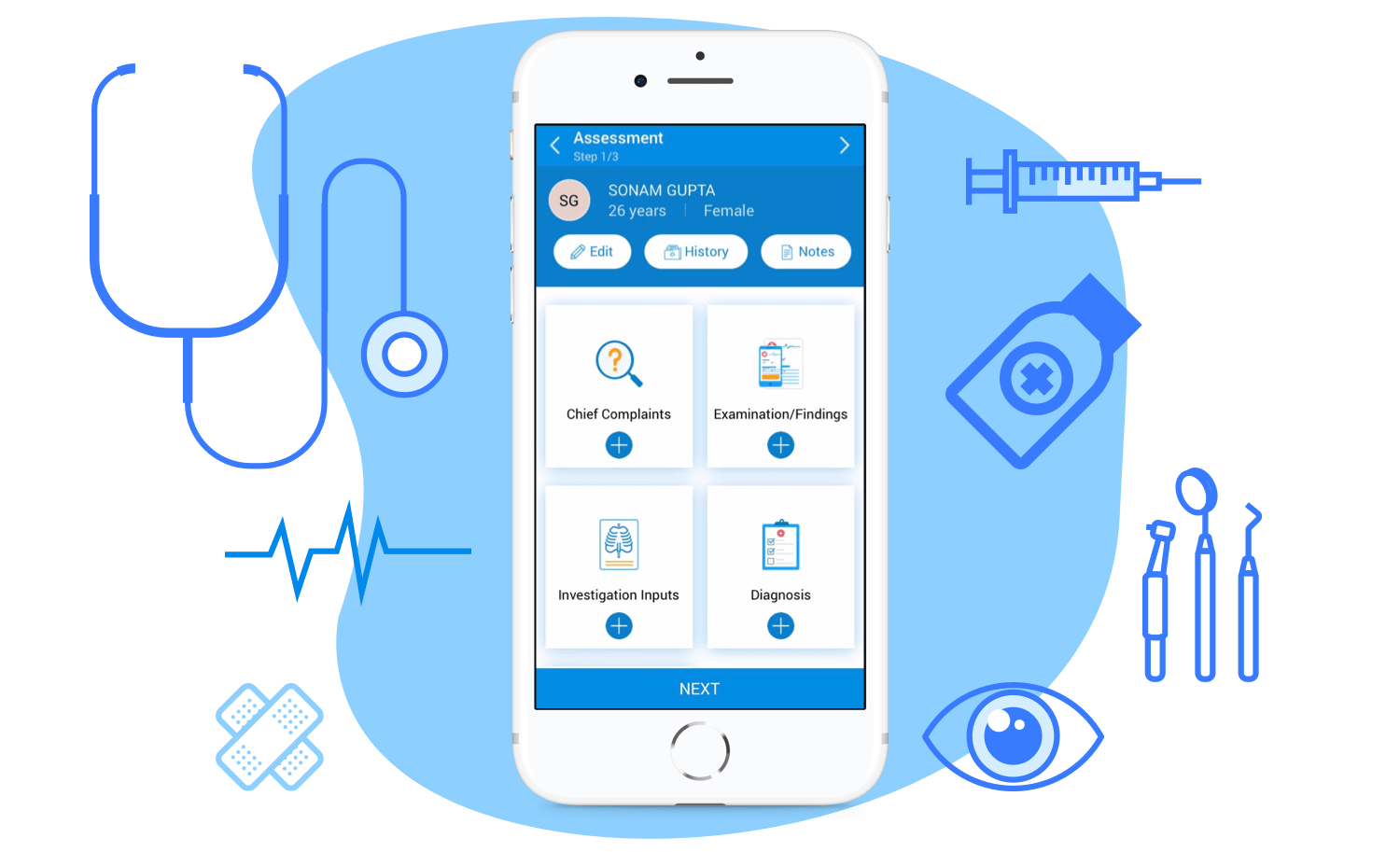
Online prescription services require comprehensive patient data for safe medication dispensing through digital healthcare platforms. Essential information includes personal identification details, complete medical histories, current medications, and detailed symptom descriptions, enabling physicians to make informed prescribing decisions. NextClinic implements structured data collection protocols that gather all necessary information while maintaining patient privacy and regulatory compliance. These digital systems streamline information gathering while ensuring no critical details are overlooked during the prescription evaluation.
Identity confirmation
Patient verification represents the foundational step in secure prescription processing. Healthcare platforms require government-issued identification documents, proof of address, and contact verification to establish legitimate patient identities before allowing access to prescription services. Multi-factor authentication systems protect patient accounts while ensuring only authorised individuals can request medications through digital channels. Digital identity verification systems cross-reference submitted documents against official databases to prevent prescription fraud and identity theft. The robust verification process enables physicians to issue online prescriptions with confidence that medications reach intended recipients. Advanced biometric verification adds additional security layers through facial recognition or fingerprint scanning that further protect prescription access from unauthorised users.
Health record compilation
Comprehensive medical history documentation forms the clinical foundation for safe prescription decisions. Patients must provide detailed information about previous surgeries, hospitalisations, chronic conditions, and family medical histories influencing medication selection and dosing decisions. Electronic health record integration enables the automatic collection of relevant medical data when patients authorise access to existing healthcare provider records. Current medication inventories require precise documentation to prevent dangerous drug interactions:
- Prescription medications with exact names, dosages, and prescribing physicians
- Over-the-counter drugs, including vitamins, supplements, and herbal remedies
- Recent medication changes with dates and reasons for modifications
- Known drug allergies with reaction descriptions and severity levels
- Previous adverse drug experiences with specific medications or drug classes
Symptom documentation
Detailed symptom descriptions enable physicians to make accurate diagnoses and appropriate prescription selections. Patients must document symptom onset timing, severity progression, triggering factors, and relief measures attempted before seeking prescription treatment. Structured questionnaires guide patients through comprehensive symptom reporting, ensuring no relevant clinical information is omitted. Functional impact assessments help physicians gauge symptom severity and appropriate treatment urgency. Pain scales, mobility limitations, sleep disruption patterns, and work productivity impacts provide objective measures that support prescription decision-making. Photo documentation of visible symptoms or injury sites supplements written descriptions when visual confirmation aids diagnosis.
Payment verification
Financial information enables prescription processing and ensures patients can afford prescribed medications. Credit card details, banking information, or alternative payment methods must be verified before prescription fulfilment begins. Having accessible pricing information helps patients make informed treatment choices based on medication costs and insurance coverage. Prescription delivery preferences require address verification and shipping instructions for safe medication transport.
Patients specify delivery timing preferences, package security requirements, and alternative locations when standard home delivery is unsuitable. Temperature-sensitive medications require special handling arrangements that patients must acknowledge and accommodate. The comprehensive information collection process enables safe, effective online prescription services while maintaining the same safety standards expected from traditional healthcare delivery. Thorough data gathering supports informed physician decision-making and ensures patients receive appropriate medications through secure, convenient digital channels.

Comments are closed.