Author

Earnest Clark

Browsing

Talk to any rep who actually spends time out there and you’ll hear the same stories. Notes half written. Follow ups remembered too late. A calendar that made sense on Monday and fell apart by Wednesday afternoon. Being a software sales rep means carrying a lot of loose threads, usually while standing in a parking lot or sitting in traffic. Tools matter here, even if no one likes to admit it. Find out more about software sales rep and top tools on the market in this guide.

RepMove fits into that reality without pretending things are neat. It doesn’t expect perfect data or saintly habits. It just gives reps a place to put what’s already in their heads so they don’t have to keep juggling it all day.

There’s relief in that. You can feel it when the day stops leaking details.

How RepMove supports the daily grind of a software sales rep

Most software sales rep work happens between conversations. Before the meeting, after the meeting, while walking back to the car. That’s where RepMove shows up.

You finish a visit and log it while the conversation is still fresh. Not later. Not “tonight if I remember.” Right then, with the windows down and the engine running. Notes don’t have to sound polished. They just have to exist.

Schedules adjust easily. A cancellation doesn’t wreck the whole day. Routes can be reshuffled without pulling out a laptop. That flexibility keeps momentum intact, even when plans shift.

Managers see what’s happening without hovering. They can spot gaps, stalled deals, or overloaded territories by looking, not by asking for updates. That changes the tone of check ins. Fewer interrogations. More useful conversations.

And reps feel it. When organization stops feeling like extra work, people relax a little. Calls sound better. Follow ups happen sooner. Small wins stack up quietly.

What software sales rep teams notice after sticking with RepMove

After a few weeks, patterns change. Software sales rep teams using RepMove don’t talk about it much. That’s usually a good sign.

Reps open the app on their own. Notes get logged consistently. Not because someone asked, but because it’s easier than not doing it. Information stops scattering across notebooks, texts, and memory.

There’s also a shift in confidence. When details are easy to pull up, reps walk into conversations calmer. They remember names. They remember context. Customers notice when they’re not being asked the same questions twice.

Over time, the data gets better because the behavior feels natural. Nothing forced. Nothing preachy. Just a tool that matches how the job actually feels.

Sales work will always be a little chaotic. That’s part of the appeal. RepMove doesn’t try to smooth every edge. It just gives structure where it counts so the chaos doesn’t win.

Learn more at https://repmove.app.

Settlement timing encompasses result verification processes, oracle data submission, smart contract execution, payout distribution, dispute windows, and network confirmation requirements. Recognised as best ethereum sports betting navigate complex finalisation procedures, balancing speed expectations against accuracy needs, security protocols, and blockchain constraints affecting how quickly winning wagers are credited to accounts post-event.

  1. Result verification timing

Outcome confirmation requires authoritative data sources validating final scores, match results, and player statistics before settlement processing begins, preventing premature payouts based on preliminary incorrect information. Multi-source verification compares data from independent oracles, ensuring consensus before accepting results as definitive, protecting against single compromised feed errors. Manual review procedures sometimes intervene for contested outcomes, unusual circumstances, and statistical anomalies requiring human judgment beyond automated validation logic. Verification delay lengths vary dramatically across sports, with straightforward results like football scores confirming faster than complex scenarios involving disqualifications, rule violations, and official reviews.

  1. Oracle submission delays

Data feed latency introduces gaps between actual event conclusions and oracle networks receiving, processing, broadcasting outcome information to blockchain smart contracts. Aggregation periods allow multiple independent oracle nodes to collect data before submitting consensus results, preventing rushed single-source submissions potentially containing errors. Network propagation times add seconds or minutes as oracle transactions broadcast across Ethereum nodes before reaching miners capable of block inclusion. Gas price selections by oracles affect submission speeds as higher-fee transactions receive faster mining inclusion, while economically low-fee approaches introduce confirmation delays.

  1. Smart contract execution

Transaction confirmation requirements mean Oracle submissions need multiple block validations before platforms consider results final, protecting against chain reorganisations, reversing recent blocks. Complex settlement logic increases gas consumption, extending execution times as elaborate payout calculations, multi-outcome distributions, and bonus allocations require substantial computational resources. Contract state updates modify blockchain records documenting settled bets, distributed payouts, updated balances, creating permanent, immutable settlement histories.

  1. Payout distribution speed

Automatic crediting systems immediately update account balances following smart contract execution, enabling instant fund access without manual intervention requirements. Batch payout processing consolidates multiple winning distributions into efficient transactions, reducing per-winner costs but introducing slight coordination delays. Withdrawal availability timing determines when credited winnings become extractable, with some platforms implementing cooling periods before allowing cashouts of settled funds.

  1. Dispute resolution windows

Challenge periods following initial settlements allow reasonable timeframes for contesting results before finalisation becomes irreversible, protecting bettor interests when legitimate concerns arise. Evidence submission interfaces enable users to provide supporting documentation, explanatory reasoning, and challenge preliminary settlement determinations during designated windows. Arbitration procedures evaluate disputes through neutral review processes, comparing submitted evidence against authoritative sources, and determining correct outcomes.

  1. Network congestion impacts

High Ethereum traffic periods delay settlement transactions as limited block space creates competition requiring higher gas fees for timely inclusion during congestion. Priority fee markets force platforms choosing between expensive fast settlements or economical slow processing, balancing cost management against user satisfaction expectations. Mempool monitoring tracks pending transaction queues, providing settlement ETA estimates based on current network conditions, gas price trends, and historical patterns.

Settlement speed involves verification timing, oracle delays, contract execution, payout distribution, dispute windows, and network congestion navigation. Multiple sequential stages create compound delays from event conclusion through final account crediting. Blockchain architecture inherently introduces settlement latencies compared to centralised platforms. The balance between speed, accuracy, security, and cost efficiency determines overall settlement performance across Ethereum betting operations.

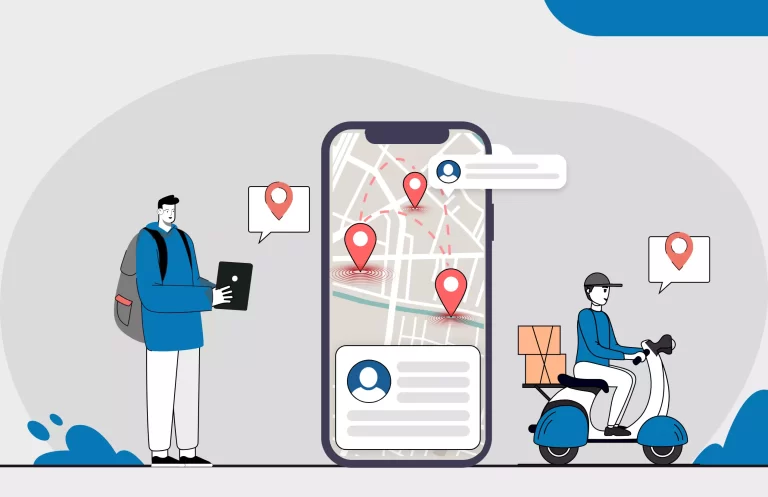
Shipping used to mean dropping packages at terminals, then hoping they reached customers eventually. Businesses coordinated multiple handoffs between carriers, warehouses, and local delivery services. Each transfer point created opportunities for loss, damage, and delays nobody could predict. Deliveree door-to-door shipping solutions eliminate these complications through single-service responsibility from pickup to final delivery. One provider handles the entire journey, removing coordination headaches. Your package moves directly from your location to the customer without mysterious middle stages. The simplicity cuts costs while improving reliability dramatically compared to fragmented multi-carrier approaches.

Simplified coordination requirements

Managing shipments across multiple carriers turns into a full-time job fast. You arrange pickup with one company, track the linehaul with another, then hope the final mile service gets the handoff right. Each transition requires documentation, communication, and prayer, so nothing gets lost. Door-to-door services handle everything internally without exposing you to their operational complexity. One booking covers the entire journey regardless of how many trucks or routes get involved. You deal with a single point of contact for tracking, problems, and billing. The provider coordinates their internal network seamlessly behind the scenes. Your package might change vehicles three times, but you never notice or care about those transfers. This simplification frees up time you’d otherwise spend managing logistics minutiae.

Reduced handling

Every time a package changes hands, it creates a risk of damage or loss. Workers rushing through terminals drop boxes or load them improperly. Transfers between carriers involve sorting facilities where things mysteriously disappear. Door-to-door shipping minimises these dangerous touchpoints, keeping packages safer throughout transit. Fewer handling events mean less opportunity for damage to occur naturally. Packages riding in the same vehicle from origin to destination face a lower risk than those getting sorted repeatedly. Fragile items particularly benefit from direct transport versus multiple warehouse stops. The reduced handling translates directly into fewer damage claims and replacement costs.

Faster transit times

Multi-carrier shipments sit waiting at transfer points between each leg. Packages miss connections, requiring additional days to reach destinations. Scheduled handoffs create delays when timing doesn’t align perfectly between carriers. Door-to-door services route more directly, eliminating these coordination delays. The provider optimises the entire route rather than just their segment. They might combine pickup with delivery runs in the same area, saving time. Packages move continuously rather than sitting in terminals waiting for next-day connections. Speed improvements come from eliminating inefficiency built into multi-carrier handoffs. Customers receive shipments faster, improving their satisfaction with your service.

Consolidated billing

Dealing with invoices from three different carriers for one shipment creates accounting nightmares. Each carrier bills separately with its own terms and formats. Reconciling these charges against customer payments takes forever. Door-to-door solutions invoice once for the complete service from pickup to delivery. Finance teams process single invoices covering entire shipments rather than matching multiple charges. Payment happens once to one vendor, simplifying accounts payable workflows. Expense tracking becomes straightforward when costs don’t get split across carriers. Tax documentation stays organised without gathering records from multiple sources. The billing simplification alone saves administrative hours monthly for active shippers.

Deliverey shipping solutions simplify logistics through unified service from origin to destination. Coordination reduction, single accountability, less handling, faster transit, consolidated billing, and complete tracking all improve operations. Businesses serve customers better while spending less time and money managing fragmented multi-carrier shipments.

Talent isn’t something you “hire” anymore. It’s something you earn, every single day. The top performers, the ones who could choose anywhere, scrutinize your company like investors scrutinize a startup. They ask: “Does the employer mean it? Are they serious? Will they invest in my growth?” 

Most companies have a list of values like “Innovation, Integrity, and Excellence; good enough. The Problem: These are generic. They don’t help a manager decide who to hire, and they don’t help an employee decide whether to stay during a crisis. But when branding experts “engineer” an EVP (Employer Value Proposition), they connect it to the daily operations of the company to build a mutual exchange through resilience, loyalty, and long term advantage.

  • Differentiation by Design: Attracting Talent Where Others Compete Blindly

Everyone claims to offer “great culture” and “flexible hours.” But most companies are just noise in a crowded room. However, employer branding singapore experts help you move away from desperate, loud marketing toward high-value, credible communication, while sending a “honest” message that is hard for others to fake. They dig deep:

  • Audit competitor benefits, policies, and messaging
  • Spot structural gaps your rivals ignore
  • Listen to what top talent says privately, not just on LinkedIn

From this, EVP pillars aren’t brainstormed—they’re engineered. “Work-life balance” becomes work-life harmony, built into the operational DNA rather than a checkbox perk. Target returning leaders, deep specialists, or regional operators specifically, and you stop competing broadly. Suddenly, you’re the only rational choice for the talent who actually moves the needle.


  • Retention through Voice: When Employees Become the Proof

Retention isn’t about paychecks—it’s about the science of listening” as a tool for retention. Experts map “Sentiment Integrity,” uncovering emotional friction points surveys miss. That helps move retention from a passive HR function to an active, strategic narrative. 

Execution looks like this:

  • Operationalized Listening: Feedback isn’t collected—it’s acted on visibly
  • Internal Advocacy: Employees become storytellers, broadcasting their real experiences

When people see themselves reflected in your narrative, staying becomes intentional. Engagement transforms from a checkbox into a lever that drives operational outcomes. Mature organizations know this: listening is a competitive advantage, not an HR nicety. People don’t just stay—they champion the company.


  • Cultural Precision: Scaling Employer Brand without Dilution

A strategy that works in Singapore might flop in Vietnam or Indonesia. EVP scales only when nuance is respected without sacrificing identity.

Experts localize intelligently:

  • Tone vs. Values: Core principles stay intact; cultural “dialects” adapt
  • Fluency in Ambition: Mission statements speak local ambition language
  • Regional Content Strategy: Messaging feels native, never imported

Employees sense authenticity. They feel the company respects their context, not just its own HQ rules. Scaling across Southeast Asia becomes seamless: engagement, trust, and credibility remain rock solid, even as headcount grows.


  • Future-Proofing the Relationship: Careers, Not Roles

The best companies hire with growth trajectories in mind, not job titles. Experts anticipate skill gaps from AI adoption, sustainability imperatives, or digital transformation—before they become crises.

Execution includes:

  • Career Pivot Guarantee: Funded pathways into emerging roles
  • Psychological Contract Redefined: Long-term employability is valued as much as loyalty

That helps shift your relationship with employees from a transactional relationship (trading hours for money) to a transformational one (trading talent for future-readiness). It means that the company’s “product” isn’t just the work it does, but the upgraded version of the employee that emerges after a year or two of working there.


In essence, a compelling EVP is not about being generous, it’s about being deliberate. When attraction, retention, culture, and future readiness are treated as one system, talent strategy becomes a growth engine. The companies that win aren’t louder employers; they’re clearer ones. They listen deeply, design intelligently, and earn commitment through consistency. That’s how talent becomes a strategic advantage—not a recurring risk.

Hospital billing demands precision and care. A small mistake creates financial stress. Hospitalist billing software offers a smart solution. It reduces human error. It also supports compliance with healthcare rules. Every claim must match strict standards. This tool makes each step easier. The system reviews codes and alerts users. It secures data and protects records. A safer billing process builds trust. Each medical group needs better accuracy. Technology ensures faster approval. It also saves valuable time.

Reducing Coding Errors Through Automation

Manual billing invites many mistakes. Hospitalist billing software limits these errors. The system guides users in real time. It checks each entry before submission. Every code is verified by logic tools. This process prevents wrong inputs. A user can correct errors instantly. The software learns from past work. It adapts to changing code rules. Each claim becomes complete and clear. Doctors and staff feel less pressure. They focus on patient care more. A reliable code process improves revenue flow.

Ensuring HIPAA Compliance and Data Security

Patient data needs strong protection. Now the hospitalist billing software supports this goal. It follows every HIPAA standard closely. Each record stays encrypted and safe. The system tracks access and activity. It prevents unauthorized entry at all times. Staff see only what they need. Sensitive data stays hidden inside layers. Security updates apply automatically. This makes the network stronger. Compliance checks run every day. Hospitals maintain privacy with ease. Patients gain faith in digital care. Secure billing protects all involved.

Meeting CMS Requirements and Audit Readiness

Regulatory bodies expect full compliance. CMS rules guide hospital transactions. Hospitalist billing software meets these standards. It aligns each claim with regulations. The system updates with each policy change. Users see alerts when something shifts. This avoids outdated code use. Every report follows audit demands. The platform stores data for review. Clear records lower investigation risk. Staff find old claims fast and easy. Proper tracking prevents mismatched details. A ready audit trail builds confidence. Smooth CMS alignment supports strong trust.

Boosting Efficiency and Financial Performance

Hospitals seek better cash cycles. Billing software shortens waiting times. Claims move fast through systems. Fewer denials mean faster payments. Teams handle more work daily. Accuracy raises each approval rate. Less manual review saves hours. The platform gives real time updates. Management sees all progress clearly. The team reacts to delays quickly. Consistent data prevents lost revenue. Operational flow grows more stable. A strong system sustains healthy growth. Proper billing ensures steady financial health.

Slip and fall accidents can happen anywhere — from grocery stores and apartment buildings to parking lots and sidewalks. But while it may seem obvious that a property owner is to blame if you get hurt, proving negligence in a slip and fall case is often more complicated than people think.

Insurance companies and property owners rarely admit fault easily. They may claim the hazard wasn’t dangerous, that you should’ve seen it, or that they had no idea the condition existed. That’s why solid evidence is the backbone of every successful slip and fall claim.

If you’ve been injured in a fall, here’s what you need to know about proving negligence and the types of evidence that can make or break your case.


Understanding Negligence in Slip and Fall Cases

To win a slip and fall lawsuit, you must show that the property owner (or occupier) was negligent — meaning they failed to act reasonably to prevent harm.

In New Jersey, proving negligence typically involves four key elements:

  1. Duty of Care: The property owner or manager had a responsibility to keep their premises reasonably safe.
  2. Breach of Duty: They failed to meet that responsibility by allowing a dangerous condition to exist.
  3. Causation: That unsafe condition directly caused your injury.
  4. Damages: You suffered actual harm — medical bills, lost wages, pain, or emotional distress.

Without evidence supporting each of these elements, your claim may not hold up in court or settlement negotiations.


1. Photos and Videos of the Scene

Visual proof is one of the most powerful tools in a slip and fall case. Photos and videos capture the exact conditions that led to your accident — like a puddle, loose flooring, uneven concrete, or poor lighting.

If possible, take pictures immediately after the fall before anyone cleans or fixes the hazard. Include:

  • Multiple angles of the scene
  • Close-ups of the hazard (like ice, liquid, or debris)
  • Wider shots showing the area context (e.g., nearby warning signs or lack thereof)
  • The shoes you were wearing
  • Any visible injuries like bruises or cuts

If the area has surveillance cameras, ask that the footage be preserved right away. Many businesses record over video within days, so acting quickly can make all the difference.


2. Witness Statements

Independent witnesses can help confirm what happened and add credibility to your account. For example, someone may have seen you fall, noticed the hazard earlier, or even heard employees admit they “meant to clean that up.”

Get the names and contact information of anyone nearby who saw the accident or the unsafe condition. Your attorney can later follow up to get official statements or affidavits.


3. Incident Reports

If your fall happened on commercial property — like a store, restaurant, or office — report it to management right away. They’ll often create an incident report that documents the time, location, and brief description of what occurred.

Ask for a copy before you leave or as soon as possible afterward. Even if the business refuses, note the name and title of the person you spoke to. That record helps prove you reported the accident promptly.


4. Maintenance and Cleaning Records

A major part of proving negligence is showing that the property owner knew or should have known about the hazard. Maintenance logs can reveal how often inspections and cleanups occur — or don’t.

For example, if a grocery store claims they mop floors every 30 minutes, but records show no cleaning for two hours before your fall, that supports your case. Your attorney can request these records during the discovery phase of a lawsuit.


5. Medical Records and Bills

Medical documentation connects your injuries directly to the accident. Even if you feel “fine” right after a fall, it’s essential to see a doctor immediately. Some injuries, like concussions or soft tissue damage, take time to show symptoms.

Your medical records should include:

  • Emergency room visits or urgent care notes
  • X-rays, MRIs, or CT scans
  • Physical therapy or rehabilitation notes
  • Doctor’s prognosis and treatment recommendations

Keep all medical bills and receipts — they’re vital for calculating damages.


6. Expert Testimony

In more complex cases, attorneys often bring in expert witnesses to help prove negligence. These experts can include:

  • Safety engineers, who analyze whether property maintenance met safety standards
  • Medical experts, who explain the extent and impact of your injuries
  • Accident reconstruction specialists, who can recreate what happened based on evidence

Expert testimony can add authority and objectivity, especially if the defense tries to claim your injuries are exaggerated or unrelated.


7. Proof of Lost Wages or Income

If your injuries forced you to miss work, evidence of lost wages is essential. This can include pay stubs, employer statements, or tax records showing your typical earnings before and after the accident.

If your ability to work in the future is affected — for example, due to chronic pain or limited mobility — your attorney can use medical and vocational experts to estimate future income losses.


8. Communication Records

Keep track of all communications related to your accident. This includes emails, letters, or voicemails from insurance companies, property owners, or their attorneys. These records can show inconsistencies or admissions that support your case.

Also, avoid discussing your accident on social media. Insurance adjusters often monitor public posts for anything that might weaken your claim.


Building a Strong Case

The more evidence you gather early on, the stronger your case will be. Even small details — like weather conditions or the time of day — can influence liability.

However, collecting and preserving all this evidence takes time and legal know-how. That’s why it’s crucial to work with an experienced attorney who knows what to look for and how to use it effectively.

If you’ve been injured in a slip and fall accident, contact The Law Offices of Anthony Carbone. Attorney Carbone has over 35 years of experience helping Jersey City residents gather the right evidence, prove negligence, and win fair compensation for their injuries.


Final Thoughts

Slip and fall cases are often won — or lost — based on evidence. The sooner you act to preserve it, the better your chances of holding negligent property owners accountable. By documenting everything, seeking medical help, and working with an experienced lawyer, you can turn a painful accident into a strong case for justice.

If you’ve ever dabbled in cryptocurrency, you know it’s a wild ride. Prices spike, crash, and sometimes you just sit there staring at numbers, wondering if anyone really knows what’s going on. Ripple’s XRP has been in the mix for years, quietly carving a unique position in the market. Right now, the XRP price USD is around $2.44. It’s not a number that screams record-breaking, but it tells a story if you pay attention.

XRP isn’t like most other coins. It wasn’t designed just to sit in your wallet while you hope it doubles overnight. Its purpose is practical: to make moving money across borders faster, cheaper, and more efficient. Banks and payment companies are experimenting with it, which gives XRP credibility many other cryptocurrencies lack. So when you check that $2.44 figure, it’s more than a price it’s a reflection of adoption, human decisions, and technology slowly finding its place in the real world.

Why XRP Still Matters

You might wonder why XRP is still talked about when there are thousands of coins in the market. The answer is its utility. While Bitcoin is often seen as digital gold and Ethereum powers decentralized apps, XRP focuses on a simple, real-world problem: sending money internationally.

Traditional bank transfers can be slow, costly, and frustrating. XRP transactions, by contrast, settle in seconds and cost only pennies. That efficiency is what makes it interesting to banks, investors, and even casual crypto enthusiasts. Unlike many coins that rely on hype or speculation, XRP has a tangible function.

And it’s resilient. XRP has survived legal challenges, market crashes, and years of speculation. Its current price may not be eye-popping, but the fact that it’s still relevant tells you something. It’s a coin people trust for actual transactions, not just trading.

What Drives the XRP Price USD

If you’re wondering why XRP is trading where it is today, it’s a combination of factors:

1. Institutional Adoption

Banks and payment providers are experimenting with XRP for cross-border payments. When institutions get involved, it signals confidence to the market. Unlike coins driven purely by retail hype, XRP gains credibility when real money flows through its network.

2. Regulatory Environment

XRP has had its share of legal hurdles, particularly in the U.S. Every regulatory announcement, positive or negative, can influence its price. Recently, there’s been chatter about XRP potentially gaining broader recognition in global digital asset frameworks. That kind of news can subtly move the market even if it doesn’t make headlines.

3. Market Fluctuations

Crypto markets are volatile, and XRP is no exception. Large holders, or “whales,” can sway the market significantly with big buy or sell orders. Recently, XRP has been hovering in the $2.40–$2.50 range. Traders are watching carefully for any breakout, but small fluctuations are part of the natural rhythm of crypto.

Beyond the Charts

Charts can help, but they don’t tell the full story. Yes, $2.50 is a resistance level, and breaking above that could push the price toward $3.00. But focusing solely on numbers ignores the bigger picture: adoption.

Every bank test, every cross-border transaction, every new integration adds value. These are real-world applications that no chart can fully capture. While short-term price swings make for exciting headlines, they don’t tell the story of XRP’s real potential.

The Human Side of XRP

One thing I love about crypto is that it’s human at its core. Developers improve the XRP Ledger, banks experiment with it, traders react to news, and communities discuss adoption online. Every human choice impacts the XRP price USD.

Think about it: every time someone sends money using XRP instead of a traditional bank wire, it’s a vote of confidence. Every investor buying XRP because they believe in its utility nudges the price. It’s messy, unpredictable, and completely human and that’s what makes following XRP so fascinating.

Why Investors Should Keep an Eye on It

XRP isn’t just for quick profits. Its strength lies in real-world usage. Banks using it for payments show that it’s not purely speculative. Each practical transaction reinforces trust and stability.

If you’re considering investing in XRP, focus on these:

  • Regulatory updates: They can create short-term swings, but also long-term clarity.
  • Institutional adoption: More real-world use means a stronger foundation.
  • Market sentiment: Understanding trends and mood helps avoid impulsive decisions.

Focusing on these factors can help you see beyond day-to-day volatility. XRP’s long-term story is about solving real problems, not just chart patterns.

Looking Ahead

At $2.44, XRP may seem like it’s holding steady. But the bigger picture is adoption. Its speed, low fees, and growing real-world use make it different from coins that exist mainly for speculation.

It’s not about hype. It’s about function. And that’s rare in the crypto world. Investors who understand this often hold through volatility, knowing that adoption and practical utility often outweigh short-term price swings.

Imagine sending money overseas in seconds instead of days, or a business saving thousands in transfer fees because of XRP. That’s not a future possibility it’s already happening in some cases. And that makes the price more meaningful than a number on a chart.

Conclusion

The XRP price USD today is more than just a snapshot. It’s a reflection of people, institutions, and technology all interacting. XRP isn’t just being traded it’s being used, tested, and slowly proving its value in the real world.

For anyone following cryptocurrency, XRP is worth watching. Its price movements are interesting, but its real story lies in utility, adoption, and human decisions shaping the market. It’s messy, human, and quietly carving out a role in global finance. And that’s why it continues to attract attention even at $2.44.

Viral social momentum directly translates into presale participation rates through attention-driven investment decisions where trending tokens attract capital inflows from investors seeking to capitalise on perceived early-stage opportunities. Presale success depends on generating sufficient buzz that potential buyers discover projects during limited-time offering windows and act quickly before allocations deplete. Infrastructure tracking monitoring demonstrates how blockchain performance metrics influence where meme coin launches occur, with viral tokens gravitating toward networks supporting rapid transactions and low-cost presale participation.

Social proof amplification

Visible community participation shows that a project is real and trustworthy for people who want to join presales. They see lively discussions and many followers as proof that the project is safe. They think active posts show that there is less risk of losing money in early-stage projects. Large Telegram groups and active Twitter accounts make it look like many people are interested. Popular TikTok videos also give the impression that the project has attention from a wide audience. Individual investors use this as a quick way to decide whether to join presales. They rely on these signals because the usual information is missing. There are no financial statements or tested business plans to guide their decisions. Investors also check technical details like the Solana price chart when they study the blockchain networks behind popular meme coin launches. The social validation operates through psychological mechanisms where people assume popular choices must have merit, with viral momentum itself becoming the primary value proposition rather than technical innovation or utility features. 

FOMO psychology triggers

Fear-of-missing-out mechanisms convert passive observers into active presale participants through psychological pressure:

  • Countdown timers create artificial urgency, suggesting opportunities will disappear imminently without immediate action
  • Real-time participation trackers show rapidly filling allocations, implying scarcity that motivates rushed decisions
  • Success stories from previous viral token presales establish aspiration narratives motivating replication attempts
  • Community discussions emphasising potential returns create fear that hesitation means forfeiting substantial gains
  • Peer participation visibility through social media posts demonstrates others securing positions, triggering competitive impulses

The compressed decision timeframes during viral presales prevent thorough research or sceptical analysis that longer sales periods would permit, with time pressure forcing snap judgments based primarily on social proof and viral momentum rather than fundamental project assessment.

Content creation momentum

User-generated content extends promotional reach beyond official marketing:

  1. Meme generation produces shareable content spreading across platforms without requiring advertising budgets
  2. Tutorial videos explaining presale participation reduce barriers, enabling broader participation from less technical audiences
  3. Price prediction content creates speculative interest, attracting traders seeking short-term profit opportunities
  4. Community highlight reels showcase engaged holder bases, suggesting strong support networks
  5. Educational content explaining tokenomics and roadmaps provides substance supporting viral hype with informational depth

Content diversity ensures varied audience engagement as different content types appeal to distinct demographic segments, with humorous memes attracting casual social media users while technical analysis attracts serious investors requiring substantive information before committing capital. The multi-format approach captures attention across the engagement spectrum from entertainment-seeking scrollers to research-focused investors conducting due diligence before presale participation. Meme coin virality connects with presale success through social proof amplification, FOMO psychology triggers, influencer coordination networks, content creation momentum, and network effect cascades.

The distribution sector is entering a new phase. Technology is changing every link in the supply chain. Old practices now need bold upgrades. The rise of digital tools is transforming traditional models. Companies are seeking fresh ways to add worth. The focus is shifting from logistics to insight. Value creation is now the key target. Distributors are learning to act as advisors. The next decade promises a major reset. The pace of innovation is fast and relentless. Each partner must understand its evolving role. The pressure to adapt is constant and real.

Digital Transformation Redefines the Channel

Technology platforms are rewriting the rules. Cloud systems are replacing old software. Data access is instant and simplified. Collaboration tools link partners in real time. Every connection gains value through integration. Automation removes delays and errors. Artificial intelligence handles predictive insights with speed. Customers expect accurate updates and instant response. Channel success now depends on data clarity. Digital transformation is not optional anymore. It aligns operations with modern expectations. Partners that resist the shift risk decline. The digital-first approach ensures relevance and agility.

Changing Role of the Distributor

The distributor role has evolved greatly. It no longer focuses only on product flow. Today it includes strategy and enablement. Each partner needs guidance and technical support. A value added distributor now offers training and consultancy. Expertise defines competitive advantage within the channel. The goal is to deliver outcomes not just goods. Distributors build trust through advice and transparency. Channel ecosystems thrive through shared insight. Service quality becomes the prime differentiator. The shift demands stronger skills and deeper knowledge. Every engagement is a chance for innovation.

Emerging Technologies Transform Supply Networks

Automation is shaping new pathways for efficiency. Drones and robotics now streamline warehouse actions. Artificial intelligence predicts demand patterns with precision. Edge computing improves real time decision making. Blockchain secures transactions through traceable records. These tools create transparent and resilient supply networks. Speed and accuracy enhance customer satisfaction. Data insights assist better planning and forecasting. Partners leverage smart analytics for revenue growth. Emerging technologies also reduce waste and duplication. The network becomes adaptive and self correcting. Digital adoption now drives continuous advancement forward.

Sustainability and Human Expertise Drive Growth

Sustainable practices are reshaping distribution ethics. Energy efficient systems lower operational footprints. Circular models promote reuse and responsible sourcing. Customers value eco friendly commitments and transparency. Green logistics gain traction across industries worldwide. Innovation must balance progress with stewardship. Yet technology alone cannot replace human insight. Expertise in relationships ensures lasting trust. Skilled teams understand client goals deeply. They combine empathy with problem solving power. Human intelligence remains the core foundation. Sustainable action and human knowledge secure future growth.

The next era of distribution will blend technology and experience seamlessly. Adaptation will define the winners across the channel. Each player must embrace change with purpose. Innovation must support value and trust. The future of distribution looks connected and intelligent. Every transformation opens a new opportunity. The journey toward smarter collaboration has begun. Sustainable progress and digital strength will guide the way.

Accounting organizations deal with a lot of sensitive data in today’s fast-paced environment. Quick file storage and retrieval while maintaining security is essential. This is now easier than ever thanks to digital systems. Learning how to organize client files using the appropriate tools may save time and foster confidence. Teams operate more efficiently and with less stress when files are organized and safeguarded. Speed is only one benefit of digital organization, as it also guarantees improved security and a more seamless experience for businesses and customers.

Find below five ways to organize client files digitally for faster access and improved information security.

Use cloud storage for easy access

Teams can store files centrally via cloud systems. You may access files at any time and from any location. Delays are decreased and physical storage is no longer necessary. Access to the cloud also makes it possible for several team members to collaborate on papers without being lost.

Apply consistent naming rules

Clear naming conventions make digital files easier to locate. Labels with client names, dates, and document kinds make it easier for everyone to find what they are looking for. Maintaining consistency helps you avoid losing crucial files and save time spent looking.

Set folder structures by category

Navigating files is made easier when they are arranged into distinct directories. Order is provided by categories like contracts, tax reports, and financial statements. Additionally, a well-organized folder arrangement prevents new files from being lost in the shuffle. Teams don’t have to worry about finding and sharing papers.

Add permissions for stronger security

Not every member of the team must have access to every file. By establishing permissions, you can make sure that only authorized individuals may access confidential material. This reduces risks and safeguards confidential customer data. Modifying permissions is quick and simple using digital platforms.

Use backups for data protection

Technical problems might cause the loss of digital files as well. Data loss may be prevented with regular backups. File restoration and secure copying are features of automated backup systems. Peace of mind is created, and work continues uninterrupted.

Final thoughts

Digital client file organization improves security and speed. Permissions, hierarchical folders, naming conventions, cloud systems, and backups all come into play. By taking these actions, accountants may maintain their productivity, lower their risks, and confidently serve customers. Businesses may save time, establish credibility, and provide better outcomes every day by investing in appropriate digital structure.