
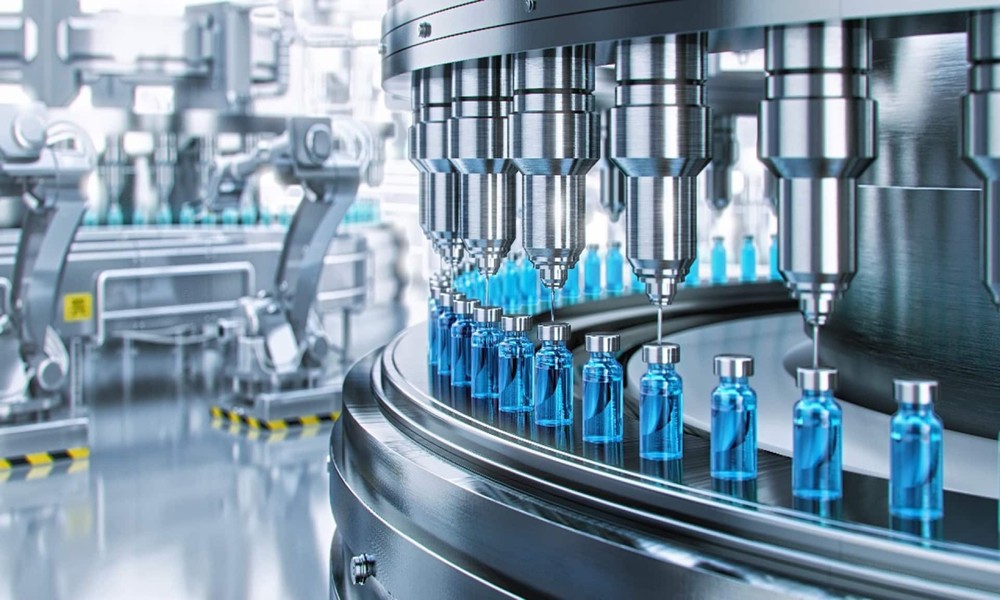
Gleaming corridors, robotic arms gliding with surgical precision, and data dashboards pulsing with real-time insights, modern pharmaceutical and high-tech factories barely resemble their forebears from just a few decades ago. The engine behind this transformation? Relentless technological innovation, reimagining everything from the bones of a building to the heartbeat of daily operations.
Early Industrial Designs in Pharma and High-Tech Factories
The earliest pharmaceutical and technology manufacturing sites were utilitarian at their core. Designed for scale and repetition, these factories prioritized volume over flexibility. Assembly lines snaked through cavernous halls, raw materials moved along basic conveyors, and workers performed repetitive tasks under harsh lighting.
Traditional Factory Layouts and Their Limitations
Rigid layouts came with significant trade-offs. Any change in product or process demanded costly, time-consuming overhauls. Cleanroom requirements in pharma, with their strict environmental controls, added layers of complexity that early designs struggled to accommodate.
Initial Integration of Technology in Manufacturing
Early forays into automation were modest, mechanized mixers here, basic control panels there. The introduction of programmable logic controllers offered the first hint of agility, yet most processes remained manual and siloed.
The Rise of Automation and Digitalization
The landscape shifted dramatically as computerized automation took root. Robots entered the scene, performing repetitive, precise tasks that once strained human workers. Conveyors became smarter, sensors proliferated, and suddenly, factories could operate twenty-four hours a day with unprecedented consistency.
Introduction of Robotics and Automated Systems
From pill packing to wafer fabrication, robotics replaced many manual interventions, boosting speed and reducing errors. In pharma, sterile handling robots minimized contamination risks. In electronics, robotic arms assembled tiny components at speeds no human could match.
Impact on Production Efficiency and Quality Control
Automation slashed defect rates and transformed quality control from periodic sampling to continuous monitoring. Automated vision systems began inspecting products in real time, flagging imperfections before they reached the end of the line.
Early Data Collection and Monitoring Technologies
Even before the big data boom, manufacturers began wiring their machines for basic data collection. Early supervisory control and data acquisition (SCADA) systems paved the way for the live dashboards and real-time analytics we take for granted today.
Smart Factory Concepts and Industry 4.0
The advent of Industry 4.0 supercharged the transformation. Factories became dense webs of interconnected sensors, machines, and analytics engines, all exchanging information and learning from each cycle.
Connectivity and IoT in Factory Environments
Internet of Things (IoT) devices now dot the factory landscape, tracking humidity, pressure, and energy use in real time. Equipment health is monitored continuously, with anomalies triggering instant alerts.
Real-time Data Analytics for Process Optimization
Data-driven decision-making became the gold standard. Production bottlenecks could be pinpointed instantly, supply chains rerouted before shortages occurred, and processes tuned on the fly for quality and efficiency.
Adaptive Manufacturing and Flexible Production Lines
Perhaps the most dramatic shift is the rise of flexible factories. With programmable robots and modular equipment, a facility can swap from producing one product to another with minimal downtime, a leap forward in responding to evolving market demands.
Sustainable and Energy-Efficient Factory Designs
As global awareness of climate change grew, sustainability moved to the forefront of factory design. The challenge: deliver cutting-edge manufacturing without a heavy environmental footprint.
Incorporating Green Technologies in Pharma and High-Tech Plants
Solar panels, advanced insulation, and rainwater harvesting are now common features. High-efficiency HVAC systems ensure cleanrooms remain pristine while minimizing energy use.
Passive Design Elements and Energy Management Systems
Natural light, smart shading, and precise airflow all contribute to lower energy bills and a healthier workspace. Sophisticated energy management systems let operators monitor and optimize usage across the entire plant.
Regulatory and Compliance Drivers for Sustainability
Regulation is another major driver. Stringent environmental standards and incentives for green building push factory owners to adopt sustainable practices from the ground up.
Advanced Materials and Modular Construction Techniques
Materials science now plays a pivotal role in both speed and hygiene. Antimicrobial coatings, non-shedding surfaces, and airtight panels make modern cleanrooms safer and easier to sanitize.
Use of Innovative Building Materials for Cleanroom and Tech Spaces
New materials are lighter yet more resilient. Composite panels and advanced polymers reduce contamination risks while supporting strict temperature and humidity control.
Prefabrication and Modular Design to Accelerate Build Times
Prefabricated modules, built offsite and assembled like giant building blocks, slash construction timelines and reduce waste. This approach provides flexibility for expansions or upgrades down the road.
Benefits for Scalability and Upgradability
With modularity, scaling up production or retooling for a new drug or device becomes a matter of weeks, not months, a game-changer for both pharma and tech sectors.
Integration of AI and Machine Learning in Factory Operations
Artificial intelligence is revolutionizing factory management. Algorithms predict equipment failures before they happen, schedule maintenance, and even forecast demand for raw materials.
Predictive Maintenance and Fault Detection
AI-driven maintenance slashes downtime. Sensors predict wear and tear, so repairs happen only when truly needed.
Enhancing Supply Chain and Inventory Management
Machine learning models optimize inventory, anticipate disruptions, and suggest alternative suppliers, minimizing costly delays.
Customization and Mass Personalization Capabilities
By linking production lines to AI systems, factories can mass-produce personalized products, tailored medications or custom electronics, without sacrificing efficiency.
Future Trends Shaping Factory Design
Looking ahead, the next wave of innovation is already taking shape.
Digital Twins and Virtual Reality in Planning and Simulation
Entire factories can be modeled as digital twins, allowing for safe, rapid testing of layout changes or process tweaks. Virtual reality tools streamline training and even enhance remote collaboration.
Autonomous Systems and Human-Machine Collaboration
Autonomous vehicles ferry materials across bustling shop floors, while wearable tech empowers human workers to safely manage complex tasks alongside their robotic colleagues.
The Role of 5G and Edge Computing in Factory Connectivity
Lightning-fast 5G and edge computing allow machines to react instantaneously, opening up new possibilities for real-time process control and decentralized decision-making.
Case Studies and Real-World Applications
Some of the most inspiring examples come from facilities designed by specialists in the field. For instance, Stendel + Reich architecte usine has been involved in projects where technology, sustainability, and adaptability converge. Their work highlights how thoughtful design can set the stage for innovation and efficiency while meeting ever-evolving regulatory and market demands.
Across pharma and high-tech industries, the best-performing factories share a common thread: a willingness to embrace new ideas, materials, and approaches. Each leap forward in technology not only enhances what a factory can make, but also how it can respond to the world around it. The factories of the future will be defined not just by what they produce, but by their agility, sustainability, and the seamless integration of human and machine ingenuity.
