
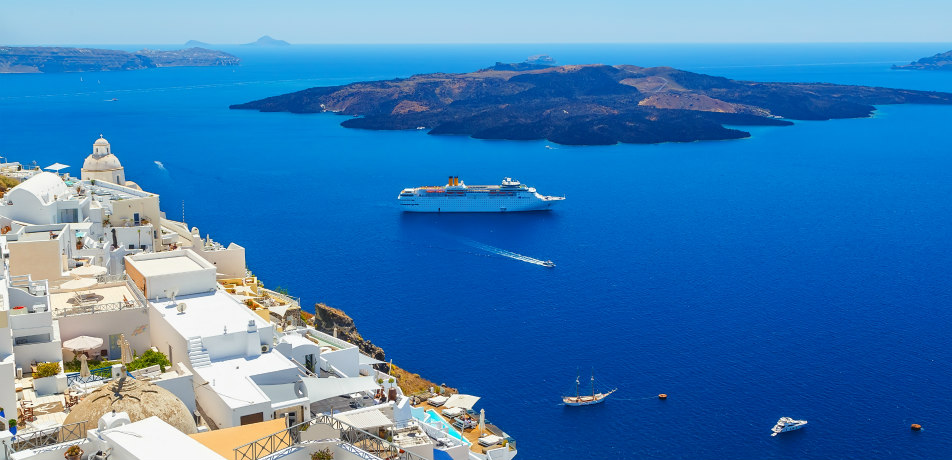
The Mediterranean has long been a crossroads of culture, commerce, and history. Its ports have welcomed merchants, explorers, and travelers for centuries, each leaving behind a legacy that can still be felt today. Cruising through this region offers a unique perspective, allowing passengers to experience multiple countries, languages, and landscapes without the constant packing and unpacking of traditional travel. Each port presents its own character, combining architectural marvels, vibrant markets, and culinary delights.
Embarking on a Mediterranean cruise provides a seamless way to explore this diversity. From the moment a ship docks, travelers are greeted with streets lined with history, architecture that spans centuries, and local traditions that have endured through time. Passengers often find that even a brief walk from the harbor can reveal layers of culture, from Roman ruins and Gothic cathedrals to contemporary art galleries and bustling cafés. For those who enjoy immersing themselves in local life, port days offer a balance of structured excursions and independent exploration.
One of the joys of visiting iconic Mediterranean ports is the variety of experiences they offer. In southern Italy, for example, a short walk from the harbor can lead to ancient amphitheaters, baroque churches, and vibrant piazzas where locals gather over espresso or gelato. In France, ports like Marseille or Nice showcase a blend of maritime history and modern urban life, from bustling fish markets to seaside promenades. Each destination has its rhythm, and part of the charm of cruising is adjusting to that pace, taking time to observe, wander, and absorb the atmosphere.
Planning how to spend time onshore is key to maximizing the experience. Many cruise lines offer organized excursions, from guided tours of historic districts to wine tastings in nearby vineyards. These experiences can provide context and enrich understanding of the destination, particularly in ports with complex histories or hidden landmarks. At the same time, allowing for unstructured exploration can lead to serendipitous discoveries—an artisan’s workshop tucked down a narrow alley, a quiet courtyard filled with orange trees, or a street musician performing a centuries-old melody. Balancing guided and independent activities allows travelers to see both the celebrated and the secret sides of each port.
Food is an essential part of the Mediterranean experience. Each port reflects the culinary traditions of its region, often shaped by centuries of trade and cultural exchange. Sampling local specialties at small eateries or outdoor markets can provide insights into the history and daily life of a city. Fresh seafood, regional cheeses, and traditional pastries tell stories as vividly as museums or architecture. Even casual snacks enjoyed while strolling along a harbor can become memorable moments that connect travelers to place and tradition.
Cultural events, festivals, and public performances often coincide with cruise schedules, offering opportunities to witness living traditions firsthand. In some ports, locals celebrate centuries-old festivals with music, dancing, and street performances, while in others, seasonal art exhibits or outdoor concerts highlight contemporary culture alongside historic surroundings. Travelers who plan their visits to align with these events often find their experiences enriched, gaining perspectives that go beyond typical sightseeing.
Practical considerations are also important when visiting multiple Mediterranean ports. Weather can vary, so packing layers and comfortable footwear is essential for long walks and excursions. Currency and language differences may require some preparation, though many ports are well-accustomed to international travelers, and signage or guides often make navigation straightforward. It is also wise to schedule downtime, whether back on the ship or in a quiet café, to rest and reflect. Mediterranean cruises often incorporate sea days, providing a natural rhythm that allows passengers to recharge before the next exploration.
Architecture provides a particularly vivid lens through which to view Mediterranean history. From ancient fortresses and Renaissance palaces to modern waterfront developments, the built environment reflects centuries of change, conflict, and creativity. Observing building styles, decorative elements, and urban layouts offers insights into the priorities and values of past societies. Travelers can trace trade routes, military strategies, and cultural influences by noting how different styles blend and evolve along each port’s waterfront.
For those who appreciate maritime history, many Mediterranean ports include museums or preserved vessels that highlight the importance of the sea to local economies and cultures. Exhibits often feature ship models, navigational instruments, and historic trade goods, providing tangible connections to the journeys that shaped these cities. Even a walk along the pier can offer clues about the region’s relationship with the sea, from historic warehouses and loading docks to modern marinas and cruise terminals.
One of the subtler pleasures of cruising the Mediterranean is observing how contemporary life interacts with history. Cafés, shops, and markets thrive in centuries-old streets, while festivals and cultural events continue to mark the rhythms of life. Travelers who take the time to observe daily routines, interact with locals, and explore beyond the main attractions often find a richer, more nuanced understanding of each port. This approach allows visitors to see these destinations as living, evolving communities rather than static historical sites.
Ultimately, cruising the Mediterranean is as much about the journey as it is about the destinations. The ship provides a comfortable base, a place to rest and recharge between explorations. Sea days allow for reflection and relaxation, giving passengers time to plan excursions or simply enjoy the views from the deck. When the ship docks, travelers can immerse themselves in the vibrancy of each port, from ancient architecture and local cuisine to cultural events and scenic promenades.
Mediterranean cruises offer a unique way to experience some of the most iconic ports in the world. The combination of historic landmarks, immersive cultural experiences, and the convenience of traveling by sea allows for a journey that is both enriching and restorative. By planning thoughtfully, balancing guided tours with independent exploration, and embracing the rhythms of each destination, travelers can fully appreciate the stories embedded in every quay, piazza, and waterfront promenade.
Whether wandering through a centuries-old port city, savoring local flavors, or enjoying the comfort of the ship between stops, cruising the Mediterranean offers a seamless blend of history, culture, and leisure. Passengers can expect not only breathtaking sights and memorable experiences but also a deeper understanding of the enduring influence of these ports and the civilizations that built them. With careful attention to both exploration and relaxation, each voyage becomes a journey through time and a vivid encounter with the living legacy of the Mediterranean.
