
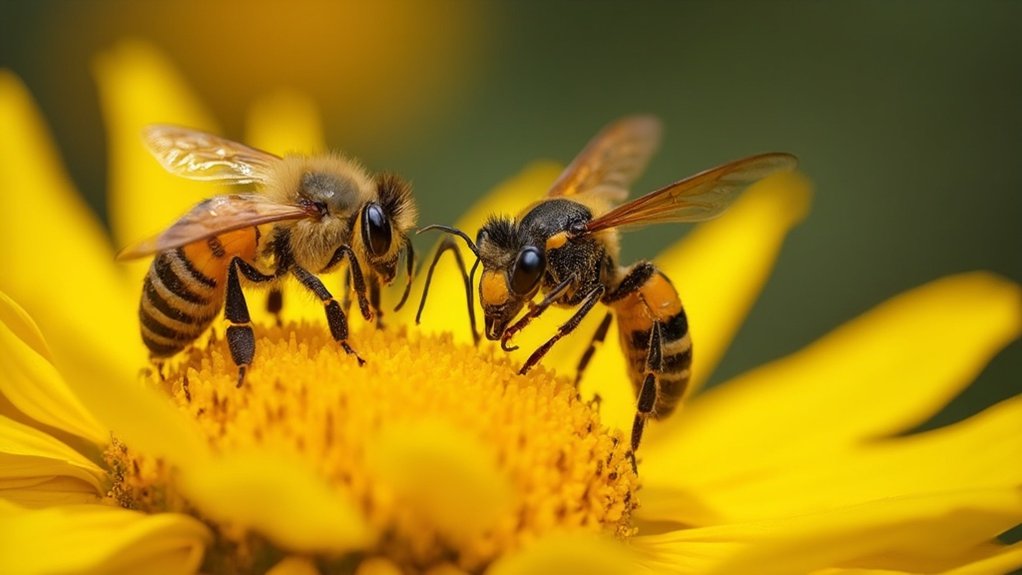
Spring and summer in the Inland Empire are beautiful, but they also bring a surge in bee and wasp activity. While bees and wasps play important roles in pollination and the local ecosystem, their presence near homes can create serious safety concerns. Swarms, nests, and aggressive behavior can lead to painful stings and potential allergic reactions. Homeowners need to understand how to recognize dangerous situations, prevent infestations, and know when to seek professional help.
1. Understanding the Difference Between Bees and Wasps
Bees and wasps may look similar, but they behave very differently:
- Bees: Generally non-aggressive unless provoked. They are essential pollinators and rarely sting unless threatened. Honeybees live in hives that can contain thousands of individuals.
- Wasps: More aggressive and capable of multiple stings. They are predators that can be attracted to food, sugary drinks, and human activity. Common species include yellow jackets and paper wasps.
Identifying the type of insect is crucial for determining whether removal is urgent and how to approach it safely.
2. Recognizing the Signs of a Swarm or Nest
Bee and wasp nests are often hidden, but several signs indicate their presence:
- Bee swarms: These usually appear as a cluster of bees hanging from a tree branch, bush, or structure. Swarms are temporary but signal that a colony nearby may be looking for a new home.
- Wasp nests: Typically made of papery material, nests can be found under eaves, in attics, sheds, garages, or even underground. Frequent wasp activity near food or trash is a common warning.
- Increased insect activity: Seeing multiple bees or wasps flying around the same area consistently can indicate a nest nearby.
Early detection is important, as nests can grow quickly and increase the risk of stings.
3. The Risks of Bee and Wasp Stings
Bee and wasp stings can cause mild to severe reactions:
- Mild reactions: Pain, redness, and swelling at the sting site
- Moderate reactions: Hives, itching, or swelling beyond the sting site
- Severe allergic reactions (anaphylaxis): Difficulty breathing, dizziness, or loss of consciousness; requires immediate medical attention
People who are allergic to stings must exercise extra caution, as a single sting can be life-threatening. For this reason, attempting DIY removal is extremely risky.
4. Prevention Strategies for Homeowners
Preventing bee and wasp problems before they occur is safer than dealing with established nests:
- Seal openings: Inspect your home for gaps, cracks, or holes where insects can enter walls or attics.
- Secure garbage: Keep trash cans tightly closed and clean, reducing food sources that attract wasps.
- Remove sugary attractants: Avoid leaving soda, juice, or sweet food exposed outdoors.
- Landscape management: Trim trees, shrubs, and overgrown vines that can serve as nesting sites.
Simple preventive measures can significantly reduce the likelihood of a swarm near your home.
5. Why DIY Removal Can Be Dangerous
Attempting to remove bees or wasps on your own carries serious risks:
- Disturbing a nest may provoke aggressive behavior
- Insecticides may not reach the entire colony
- Improper protective gear increases the risk of stings and injury
- Allergic reactions can occur unexpectedly
Professional removal is the safest option, especially for large or hard-to-reach nests.
6. When to Call a Professional
Calling a professional is recommended in the following situations:
- The nest is near high-traffic areas, such as patios, driveways, or playgrounds
- There is frequent bee or wasp activity near windows, doors, or food storage areas
- The colony is large, and DIY removal could provoke aggressive behavior
- You or household members are allergic to stings
A trained service can safely remove the nest, treat the area to prevent future infestations, and advise on safety precautions.
7. Benefits of Professional Bee and Wasp Control
Working with experts offers several advantages:
- Safe and effective removal without risking stings
- Identification of species for targeted treatment
- Long-term prevention strategies to reduce future problems
- Guidance on how to minimize attractants around your home
Professional intervention ensures peace of mind and protects both your family and pets.
Conclusion
Bee and wasp activity in the Inland Empire can be more than a nuisance—it can pose real safety risks. Early recognition of swarms or nests, preventive measures, and knowing when to call in professionals are key to protecting your home and loved ones. While minor sightings may not always require immediate action, persistent activity or nests in high-traffic areas should be addressed promptly.
If you notice bees or wasps establishing a colony near your property, contacting a professional service like Main Sail Pest ensures safe removal, effective prevention, and protection for your family from painful stings and potential allergic reactions.
