
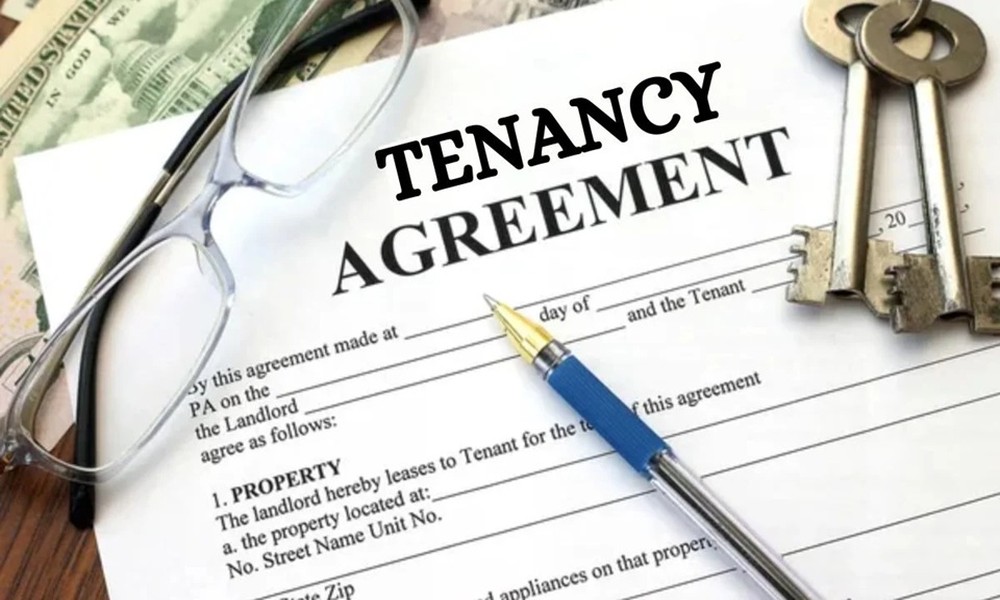
The renewal of tenancy agreement Singapore landlords and tenants negotiate each cycle is far more than a formality. It is a pivotal moment that determines rental costs, occupancy rights, and business continuity for years to come. Whether you hold a commercial lease, an industrial tenancy, or a residential agreement, understanding the renewal process protects your interests and prevents costly surprises.
Too many tenants treat renewal as a simple signature exercise. In reality, the terms you accept at renewal can reshape your financial obligations significantly.
Why Timely Renewal Matters
Missing a renewal deadline can trigger serious consequences. In many agreements, failing to exercise a renewal option within the stipulated notice period means losing the right to extend. You could face eviction or be forced to renegotiate from scratch at a much higher rent.
Landlords, on the other hand, benefit from timely engagement because it reduces vacancy risk. A smooth renewal keeps rental income flowing without the cost of marketing the property afresh. Both parties gain from starting discussions early.
“Plan long-term and invest in relationships. That is how Singapore has always succeeded.” – S. Dhanabalan, former Singapore Cabinet Minister
Key Terms to Review Before Signing
Every tenancy renewal deserves the same scrutiny you gave the original lease. Do not assume the terms will remain identical.
Rental Adjustments
Landlords frequently propose rent increases at renewal. Market conditions, property improvements, and inflation all influence the new rate. Compare the proposed rent against recent transactions for similar properties. Data from the Urban Redevelopment Authority or JTC Corporation can provide useful benchmarks.
Option to Renew Clauses
Your original agreement may include an option to renew for one or two additional terms. Read this clause carefully. It will specify the notice period, the method for determining the new rent, and any conditions you must satisfy. If the option has lapsed, you will need to negotiate a fresh tenancy agreement renewal from the ground up.
Maintenance and Reinstatement Obligations
Check whether the renewal modifies your repair and reinstatement duties. Some landlords use the renewal period to shift more maintenance responsibility onto the tenant. Clarify who pays for aircon servicing, structural repairs, and end-of-lease reinstatement before you sign.
The Renewal Process Step by Step
A structured approach removes uncertainty and keeps both parties aligned.
First, review your existing agreement at least six months before expiry. Identify the renewal option clause and note every deadline. Next, send a written notice of your intention to renew within the required timeframe. Use registered post or email with acknowledgement to create a clear record.
Then enter negotiations on any revised terms. This is the stage where professional advice pays dividends. A property consultant experienced in lease renewal and extension can benchmark rents, flag unfavourable clauses, and negotiate on your behalf.
Once both sides agree, the landlord’s solicitor typically drafts the renewal document. Review it thoroughly before signing. Pay the stamp duty within fourteen days of execution to avoid penalties from the Inland Revenue Authority of Singapore.
Common Pitfalls Tenants Should Avoid
Ignoring the Notice Period
The single most common mistake is missing the notice window. Many tenancy agreements require three to six months’ notice. Mark the date in your calendar the moment you sign the original lease.
Accepting Verbal Promises
A landlord may promise to keep the rent unchanged or to carry out renovations. Unless these promises appear in the written renewal agreement, they carry no legal weight. Always insist on documented terms.
Overlooking Stamp Duty
Stamp duty on a renewed tenancy agreement in Singapore is calculated on the total rent for the renewed term. Budget for this cost early. Failure to pay on time attracts penalties.
Special Considerations for JTC and Industrial Tenancies
Industrial tenants leasing from JTC Corporation face additional layers of regulation. JTC may require evidence that the tenant continues to meet land-use conditions, employment targets, or investment commitments before approving a renewal.
Applications for JTC tenancy renewals must be submitted well in advance, sometimes twelve months or more before expiry. Engage a specialist consultant who understands JTC’s evaluation criteria to strengthen your application.
The renewal assessment may also factor in the tenant’s compliance history. A record of unapproved alterations, subletting violations, or late payments can weaken your case considerably.
When to Seek Professional Help
If your tenancy involves high-value premises, complex clauses, or a government landlord like JTC, professional guidance is well worth the investment. Property consultants and solicitors who specialise in Singapore tenancy law can identify risks you might overlook and secure terms that protect your long-term position.
Even for straightforward renewals, a quick legal review can catch errors in drafting that might cause disputes later. Prevention is always cheaper than litigation.
Final Thoughts on Protecting Your Tenancy
Approaching a lease renewal with preparation and professional support transforms a potentially stressful deadline into a strategic opportunity. Review every clause, negotiate firmly, and document everything in writing. By treating the renewal of tenancy agreement Singapore regulations require with the seriousness it deserves, you safeguard your occupancy and your bottom line for the term ahead.
